


Automatic curved sliding door maintenance: key points to consider
Automatic curved sliding doors feature a specialized structure and require a high level of precision during operation, making maintenance especially critical. In this article, Thuy Linh Long shares essential considerations for maintaining automatic curved sliding doors, helping ensure stable performance and long-term durability.
1. Technical characteristics of automatic curved sliding doors to consider during maintenance
Compared to straight sliding doors, automatic curved sliding doors have a more complex structure and demand higher precision in every movement. As a result, maintenance cannot follow standard methods and must account for specific technical characteristics to avoid negatively impacting performance and system lifespan.
1.1 Curved track structure and its impact on operation
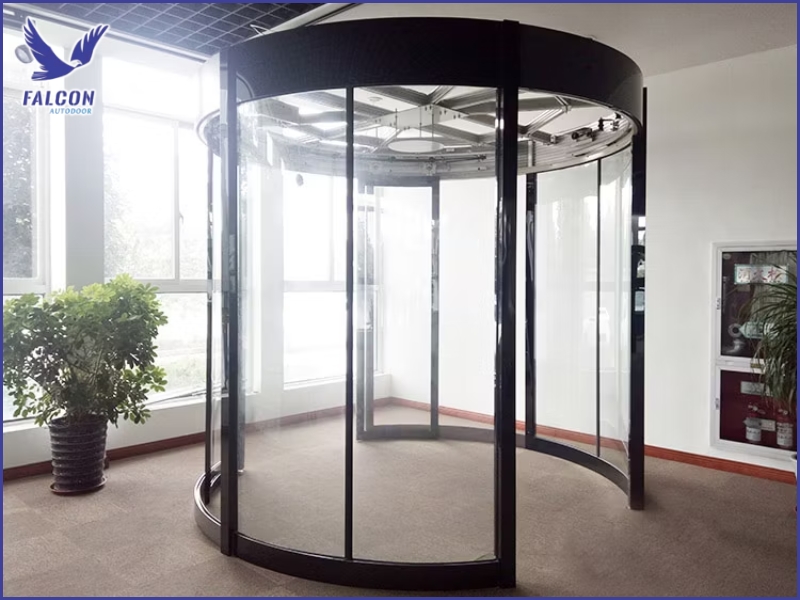
Curved sliding tracks are designed with a fixed radius and require high precision in both installation and maintenance. Even minor misalignment or dust accumulation on the track can increase friction, cause vibration, and prevent the door from operating as smoothly as intended.
1.2 High precision requirements for curved motion
Curved movement requires perfect synchronization between the curved track, guide rollers, and motor. If any of these components wear out or become misaligned without timely detection during maintenance, the door may deviate from its travel path, lose stability, and generate abnormal noise.
1.3 Risks caused by improper maintenance
Improper maintenance of automatic curved sliding doors can lead to accelerated roller wear, motor overload, or incorrect opening and closing travel. These risks not only shorten equipment lifespan but also affect safety and user experience in high-standard buildings.
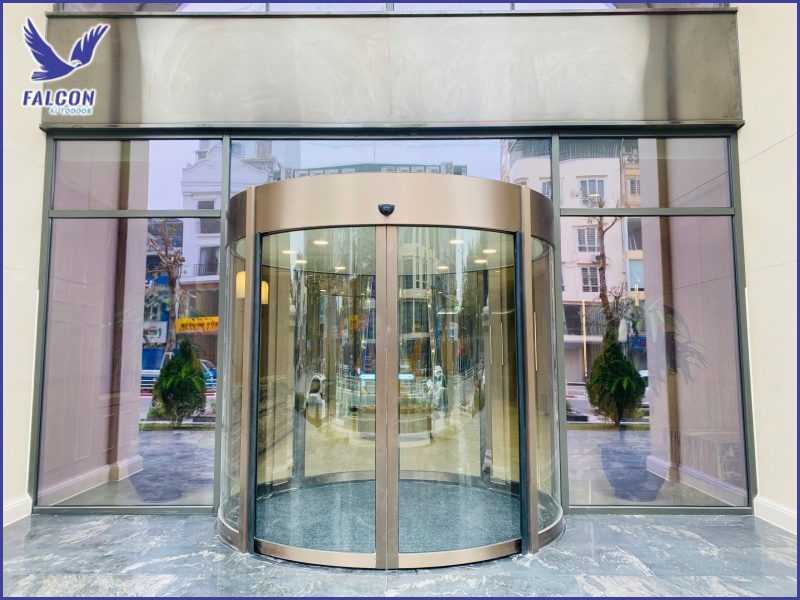
2. Key components to inspect during automatic curved sliding door maintenance
To ensure smooth and quiet operation over time, maintenance should focus on critical technical components. Thorough inspection helps detect early signs of deterioration and reduces the risk of operational failures.
2.1 Inspecting curved tracks and guide rollers
Curved tracks and guide rollers experience the highest friction during operation. Maintenance should include removing dust and debris, checking track wear and alignment, and evaluating roller condition to ensure smooth movement without travel deviation.
2.2 Servicing the motor and drive system
The motor and drive system should be inspected for operational stability, load levels, and overall performance during opening and closing cycles. Proper servicing helps the motor run smoothly, prevents overload, and maintains consistent performance.
2.3 Cleaning and calibrating safety sensors
Safety sensors play a crucial role in detecting people and obstacles. During maintenance, sensors must be cleaned thoroughly and sensitivity recalibrated to ensure accurate response and prevent abnormal door behavior or safety risks.
2.4 Checking door travel and panel balance
Door travel and panel balance should be carefully inspected to ensure even movement along the curved track. Timely adjustments help reduce vibration, minimize friction, and maintain system stability throughout operation.
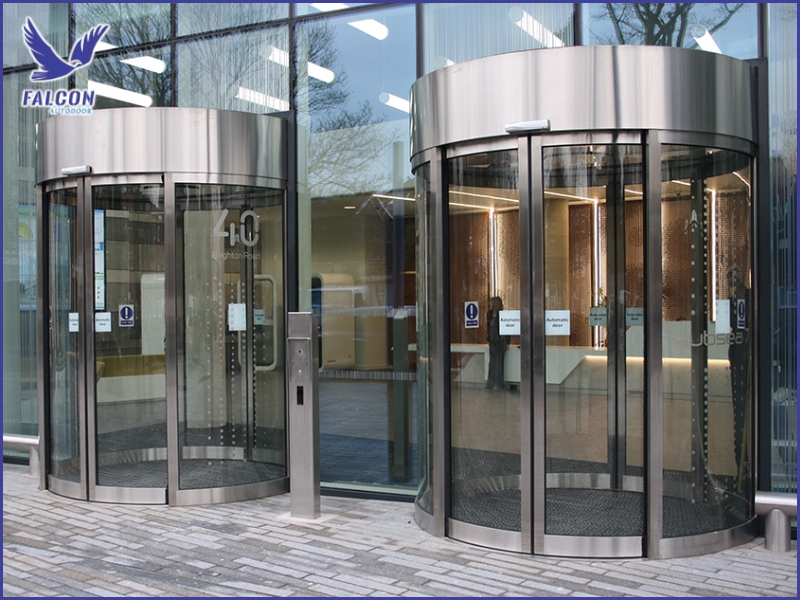
3. Common mistakes when maintaining automatic curved sliding doors
Many maintenance-related issues arise not from equipment defects but from incorrect maintenance practices. Identifying and avoiding common mistakes helps protect door lifespan and prevents difficult-to-resolve problems.
3.1 Cleaning only visible surfaces while neglecting curved tracks
Some maintenance routines focus only on cleaning door panels and visible areas, overlooking curved tracks and guide rollers. These components experience the highest friction and, if neglected, quickly lead to wear, vibration, and unstable operation.
3.2 Using unsuitable lubricants or chemicals
Using incorrect lubricants or corrosive chemicals can attract more dust and interfere with curved track and roller movement. Instead of improving operation, this practice accelerates deterioration and causes technical issues.
3.3 Making unauthorized adjustments without technical knowledge
Automatic curved sliding doors require high precision in travel and force calibration. Adjusting motors, tracks, or sensors without sufficient technical understanding can cause misalignment, imbalance, or motor overload, worsening system performance.

4. Appropriate maintenance frequency and timing for automatic curved sliding doors
Determining the correct maintenance schedule helps maintain smooth, precise operation and minimizes failure risks. Due to curved motion characteristics and high technical demands, maintenance should be planned proactively rather than performed only after issues arise.
4.1 Recommended maintenance intervals based on technical standards
According to technical standards, automatic curved sliding doors should be serviced every three to six months. This interval allows effective monitoring of curved tracks, guide rollers, and motors, as well as timely correction of minor deviations before they affect overall operation.
4.2 Environmental factors and usage frequency affecting maintenance
Buildings with heavy foot traffic, dusty environments, or high humidity accelerate wear on automatic curved sliding door components. In such cases, maintenance frequency should be increased to ensure stable and safe operation.
4.3 Signs that indicate earlier maintenance is required
Signs such as reduced smoothness, abnormal noise, uneven movement along the curved track, or delayed sensor response indicate that maintenance is needed sooner than planned. Early intervention helps prevent major damage and extend equipment lifespan.
5. Key practices for long-term stable operation of automatic curved sliding doors
After proper maintenance, daily usage habits and operational monitoring play a decisive role in long-term durability. The following practices help minimize premature wear and keep the system operating reliably.
5.1 Combining periodic maintenance with proper usage
Periodic maintenance is most effective when paired with correct usage practices. Avoid applying excessive force to door panels, obstructing door travel, or exceeding designed operating frequency especially in high-traffic areas.
5.2 Monitoring early signs of abnormal operation
Facility managers should pay attention to subtle operational changes such as unusual noise, increased vibration, or uneven movement along the curved track. Early detection allows timely intervention before serious failures develop.
5.3 Proactively performing in-depth inspections when deterioration appears
When automatic curved sliding doors have been in operation for an extended period or show clear signs of deterioration, in-depth inspection should be conducted to assess overall system condition. Timely corrective action ensures safety while maintaining long-term performance and durability.
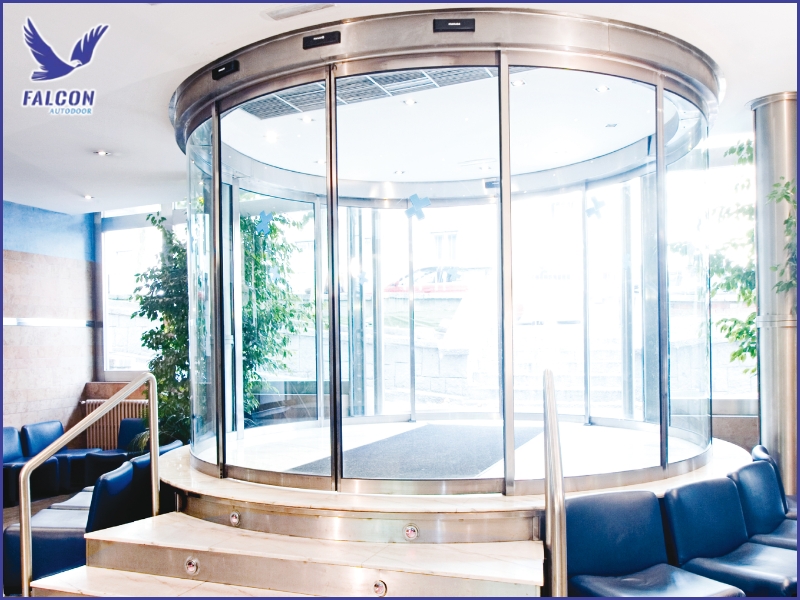
Proper maintenance of automatic curved sliding doors is a key factor in ensuring smooth, precise operation and long-term durability. With regular inspection and correct care, these doors minimize failures and meet the demanding operational requirements of high-standard buildings.
To keep automatic curved sliding doors operating reliably and efficiently, establishing a suitable maintenance plan is essential. Thuy Linh Long is ready to provide consultation and technical support for inspection, servicing, and system evaluation, helping ensure safe and sustainable operation over time.
THUY LINH LONG SERVICES TRADING COMPANY LIMITED
DISTRIBUTOR
Address: 243D Vuon Lai Street, Phu Tho Hoa Ward, Tan Phu District,
Ho Chi Minh City, Vietnam.
Tel: +84 28 22497999
E-mail: cuatudong24h@gmail.com
SUPPLIER
KUM YANG MATERIALS CO.,LTD
Address: 124-60, Myeongdong-ro, Hallim-myeon,
Gimhae-si, Gyeongsangnam-do, 50851, Korea.
Tel: 82-55-345-8380


