


Automatic curved sliding door motors: how to choose and key technical considerations
The motor is the component that directly determines the operating performance and durability of an automatic curved sliding door system. Together with Thuy Linh Long, let’s explore how to select the right motor and the key technical considerations to ensure stable and long-term operation of automatic curved sliding doors.
1. The role of the motor in automatic curved sliding door systems
In automatic curved sliding door systems, the motor not only provides driving force but also directly affects motion accuracy and overall system stability. Understanding the motor’s role helps users and investors select the right equipment and avoid operational issues.
1.1 How the motor directly affects curved door movement
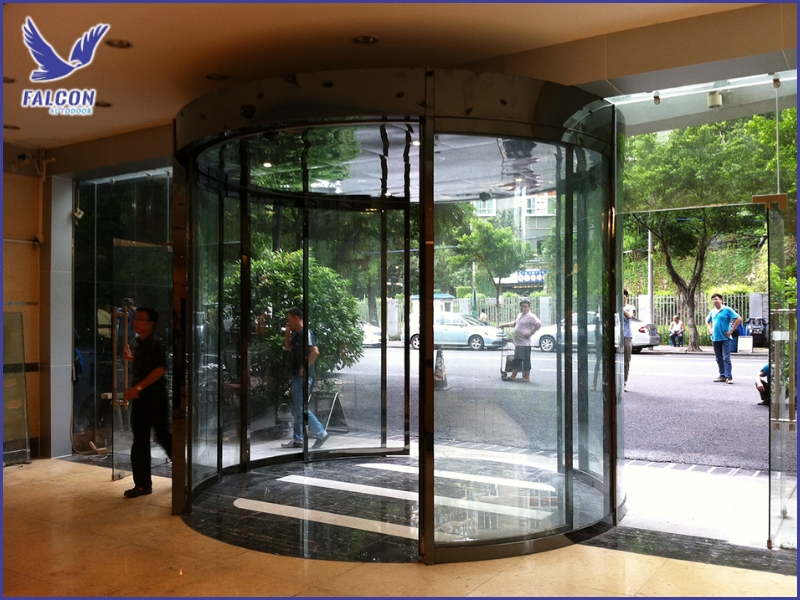
Unlike straight sliding doors, curved sliding doors require the motor to control motion along a precise curved trajectory. The motor must deliver consistent and evenly distributed pulling force to allow smooth movement along the curved track, minimizing vibration and travel deviation during opening and closing.
1.2 Differences between motors for curved and straight sliding doors
Motors designed for curved sliding doors are engineered to handle more complex operating requirements, with flexible force and speed control. Using a straight sliding door motor for a curved system often leads to overload, noisy operation, and accelerated wear.
1.3 Consequences of choosing an unsuitable motor
Selecting a motor with incorrect power output or poor compatibility with curved tracks can result in unstable operation, excessive noise, or sudden system failure. Over time, this reduces motor lifespan and compromises the safety of the entire automatic curved sliding door system.
2. How to choose the right motor for automatic curved sliding doors
Choosing the correct motor is a key factor in ensuring that automatic curved sliding doors operate smoothly, accurately, and reliably over time. Due to curved motion characteristics, motor selection must meet specific technical requirements rather than relying solely on basic power ratings.
2.1 Selecting a motor based on door panel weight and size
Door panel weight and dimensions are the primary factors in motor selection. Larger and heavier panels require motors with sufficient power and pulling force to ensure smooth movement along the curved track and prevent overload or weak operation.
2.2 Motor power and its ability to support curved motion
Automatic curved sliding door motors must maintain stable pulling force throughout the entire curved travel path. Selecting a motor with appropriate power ensures consistent speed, reduced vibration, and precise opening and closing, especially in high-traffic environments.
2.3 Requirements for smooth and stable operation
Smoothness and stability are critical criteria for automatic curved sliding doors, particularly in premium buildings. High-quality motors enable quiet operation, minimize noise, and maintain consistent performance over time while extending overall system lifespan.
3. Key technical considerations when installing automatic curved sliding door motors
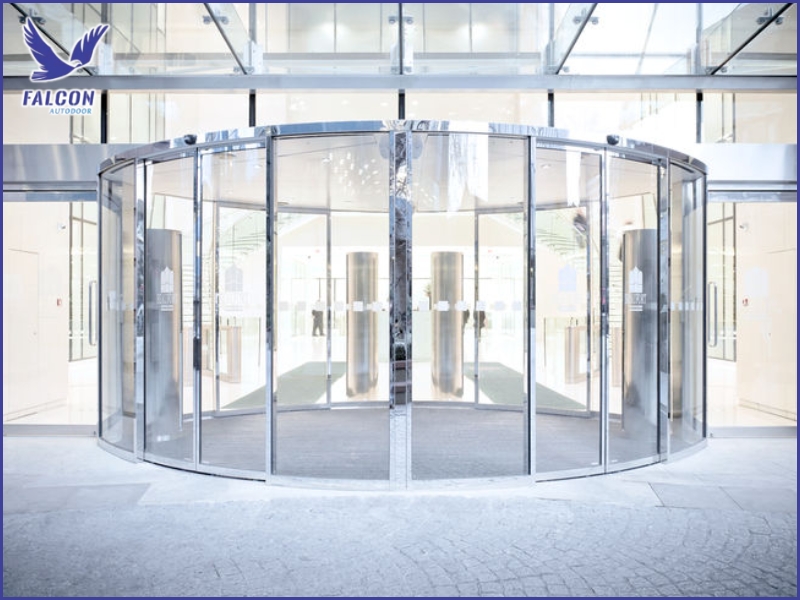
Installing a motor for an automatic curved sliding door requires high precision and proper synchronization between system components. Even high-quality motors can perform poorly or deteriorate quickly if installation is not done correctly.
3.1 Motor installation position and curved track accuracy
The motor must be installed in the correct position according to design specifications, ensuring proper alignment with the curved track and avoiding uneven pulling force. The curved track must meet strict accuracy requirements for radius and flatness to ensure smooth force transmission.
3.2 Synchronization between the motor, track, and guide rollers
Motor performance depends on precise synchronization with the curved track and guide rollers. Proper alignment reduces friction, minimizes vibration, and prevents the motor from operating under excessive load during door movement.
3.3 Setting appropriate speed and door travel parameters
After installation, opening and closing speed and door travel should be configured to suit the space and usage requirements. Correct parameter settings ensure stable motor operation, improve safety, and maintain long-term durability of the curved sliding door system.

4. Common mistakes when using automatic curved sliding door motors
Many operational issues do not stem from motor quality but from incorrect selection or improper use. Identifying common mistakes early helps prevent damage and extend motor lifespan.
4.1 Using straight sliding door motors for curved sliding doors
A common mistake is using motors designed for straight sliding doors in curved sliding door systems. These motors cannot meet curved motion requirements, leading to overload, unstable operation, and rapid deterioration.
4.2 Choosing motors with inappropriate power ratings
Motors with insufficient power cannot provide adequate pulling force, causing slow movement and frequent stoppages. Conversely, oversized motors that are not properly configured waste energy and reduce drivetrain durability.
4.3 Overloading the system and neglecting periodic maintenance
Operating doors beyond their designed usage frequency or neglecting regular motor maintenance accelerates internal wear. Over time, motors may become noisy, lose efficiency, or fail suddenly, affecting the entire automatic curved sliding door system.

5. Best practices for long-term performance of automatic curved sliding door motors
Once properly selected and installed, motor usage and monitoring throughout operation play a decisive role in long-term performance. The following practices help prevent early failure and maintain stable operation.
5.1 Combining proper motor selection with regular maintenance
Automatic curved sliding door motors require periodic inspection and maintenance to keep internal components in optimal condition. Timely servicing helps detect wear early, prevents overload, and extends motor lifespan.
5.2 Monitoring abnormal signs during operation
During use, watch for signs such as increased motor noise, uneven door movement, or slow response. These indicators suggest potential motor issues and should be addressed promptly to prevent serious failures.
5.3 Proactively inspecting motors when performance declines
If the motor no longer maintains its original speed or pulling force, in-depth inspection is necessary. Early intervention helps prevent widespread damage and ensures safe, stable long-term operation of automatic curved sliding doors.
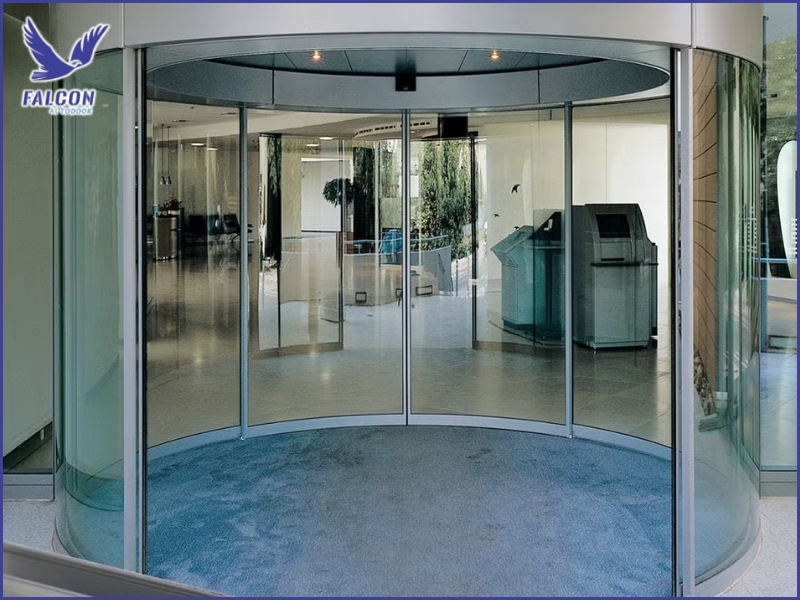
Automatic curved sliding door motors play a critical role in ensuring smooth, accurate, and durable system operation. When selected with appropriate specifications, installed correctly, and used properly, motors not only stabilize door performance but also extend the lifespan of the entire system.
To achieve optimal performance in automatic curved sliding doors, understanding motor technical requirements from the outset is essential. Thuy Linh Long is ready to provide consultation and support in selecting suitable motor solutions, ensuring safe and sustainable operation over time.
THUY LINH LONG SERVICES TRADING COMPANY LIMITED
DISTRIBUTOR
Address: 243D Vuon Lai Street, Phu Tho Hoa Ward, Tan Phu District,
Ho Chi Minh City, Vietnam.
Tel: +84 28 22497999
E-mail: cuatudong24h@gmail.com
SUPPLIER
KUM YANG MATERIALS CO.,LTD
Address: 124-60, Myeongdong-ro, Hallim-myeon,
Gimhae-si, Gyeongsangnam-do, 50851, Korea.
Tel: 82-55-345-8380


