


Changes to consider before renovating a building to install automatic doors
Installing automatic doors during a building renovation involves much more than replacing an existing entrance. Careful planning of the structure, installation space, electrical system, and operational requirements is essential to ensure the automatic door system functions safely, smoothly, and efficiently for years to come. Let's explore the key considerations with Thuy Linh Long.
1. Why should you plan ahead before renovating for automatic door installation?
Proper planning before renovating a building for automatic door installation helps identify structural and technical requirements early, minimizes unexpected costs, shortens construction time, and ensures the completed system operates safely, efficiently, and reliably while meeting the long-term functional needs of the project.
1.1 Avoid costly modifications during construction
Planning the renovation in advance allows contractors to identify structural, electrical, and dimensional requirements before installation begins, reducing the need for repeated modifications, preventing unnecessary labor and material costs, and keeping the construction schedule on track without unexpected delays.
1.2 Ensure stable automatic door operation after installation
Preparing the correct opening dimensions, structural support, and installation conditions allows the automatic door system to be installed accurately, reduces unnecessary stress on the motor and mechanical components, and helps maintain smooth, reliable operation from the very first day of use.
1.3 Improve construction efficiency and project completion
When structural preparation, electrical work, and installation requirements are coordinated before construction starts, the installation process becomes faster and more organized, reducing interruptions, preventing repeated adjustments, and ensuring the project is completed according to schedule with consistent quality.
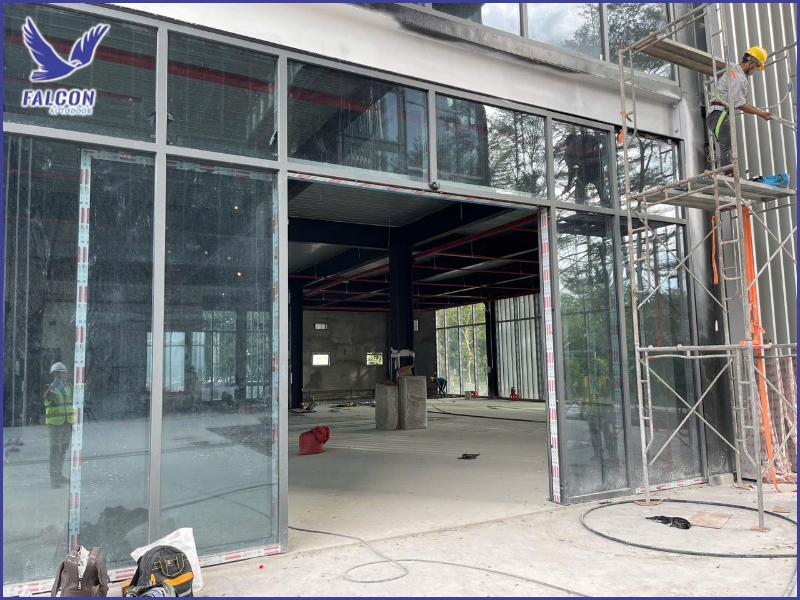
2. Building components that should be modified before installing automatic doors
Before installing an automatic door system, several structural and technical elements should be carefully prepared, including the door opening, electrical supply, installation space, flooring, and sensor coverage, ensuring every component supports reliable operation, long-term durability, and compliance with installation standards.
2.1 Door opening dimensions and structural frame
The door opening should match the specifications of the selected automatic door system, while the surrounding frame and supporting structure must provide sufficient strength and stability to support the guide rail, motor, and door panels, preventing vibration, misalignment, and structural deformation during operation.
2.2 Electrical supply and wiring preparation
A dedicated power supply should be positioned correctly with sufficient capacity and stable voltage for the motor and controller, while concealed or properly organized wiring should be prepared during renovation to simplify installation, improve aesthetics, and facilitate future maintenance.
2.3 Installation space for rails, motor, and controller
Every automatic door system requires adequate clearance for guide rails, motors, controllers, and maintenance access, making it important to evaluate ceiling height, wall clearance, and surrounding obstacles to ensure the equipment can operate efficiently without interference.
2.4 Floor condition, levelness, and door clearance
The floor surface should be flat, stable, and properly finished to prevent operational issues caused by uneven movement, while sufficient clearance in front of and behind the doorway should be maintained to allow people and equipment to pass comfortably without obstructing door movement.
2.5 Walkway layout and sensor detection area
The installation area should be planned carefully so sensors detect only intended pedestrian movement while minimizing interference from nearby traffic, reflective surfaces, or moving objects, helping improve detection accuracy, reduce false activations, and maintain smooth door operation.
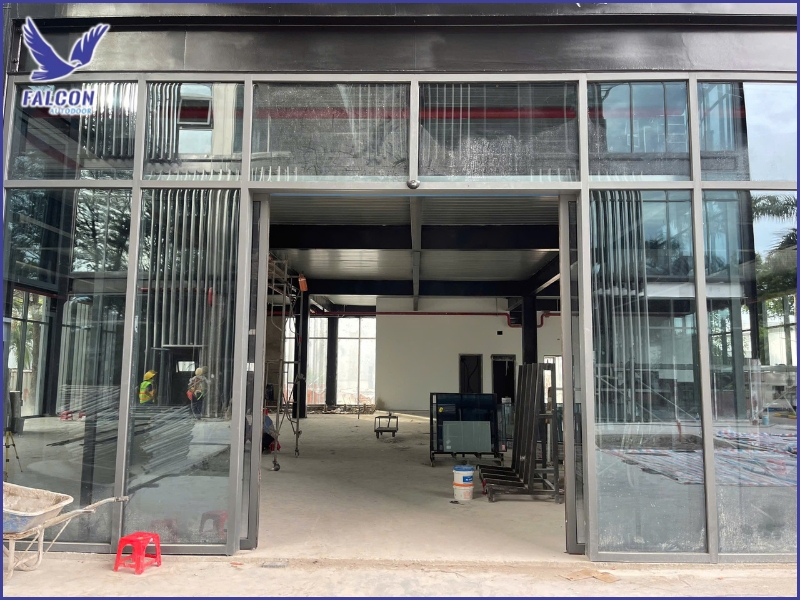
3. Renovation considerations for different types of automatic doors
Each automatic door solution has unique installation requirements, so renovation plans should be adapted according to the selected door type, ensuring sufficient installation space, structural support, and operating clearance to achieve reliable performance, safety, and long-term functionality.
3.1 Automatic sliding doors
Automatic sliding doors require enough wall space beside the opening for the panels to slide completely, while the upper beam must provide adequate structural support for the rail system, motor, and housing, ensuring smooth movement and stable long-term operation.
3.2 Automatic swing doors
Automatic swing doors require enough clearance in front of or behind the entrance for the door leaf to open fully without hitting walls, columns, or furniture, while hinges and supporting frames should be reinforced to withstand continuous daily operation.
3.3 Automatic folding doors
Automatic folding doors require sufficient side space for the door panels to fold neatly after opening, together with properly aligned guide rails and a stable supporting frame that allow smooth movement while preventing excessive noise, misalignment, or operational issues.
3.4 Automatic gates for residential and commercial properties
Automatic gate installation requires careful evaluation of driveway space, opening direction, foundation strength, motor location, drainage, and electrical supply to ensure reliable operation, protect equipment from environmental conditions, and maximize long-term durability.
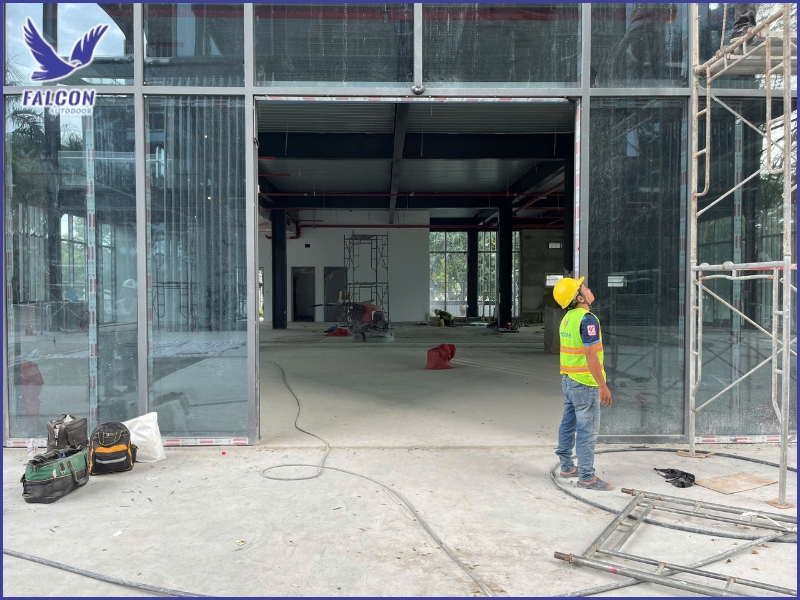
4. Thuy Linh Long provides complete renovation and installation solutions
Working with an experienced automatic door specialist helps ensure every stage of renovation, installation, and system integration is professionally managed, allowing the finished system to deliver reliable performance, improved safety, attractive aesthetics, and long-term operational efficiency.
4.1 Comprehensive site inspection before construction
The technical team at Thuy Linh Long carefully evaluates the existing building structure, door opening dimensions, electrical infrastructure, and installation environment to identify necessary modifications and develop an efficient renovation plan that minimizes additional costs during construction.
4.2 Customized renovation solutions for every project
Based on the site assessment, Thuy Linh Long recommends the most suitable automatic door solution and renovation approach for each building, balancing functionality, appearance, budget, and long-term operational performance while meeting the client's specific requirements.
4.3 Professional installation with fully integrated systems
Installation is carried out according to professional technical standards, ensuring the guide rails, motors, sensors, controllers, and related components are accurately installed and synchronized, allowing the automatic door system to operate smoothly, quietly, and reliably.
4.4 Maintenance and technical support after installation
After project completion, Thuy Linh Long continues supporting customers through scheduled maintenance, system inspections, and responsive technical assistance, helping maintain consistent performance, reduce unexpected failures, and extend the service life of the automatic door system.
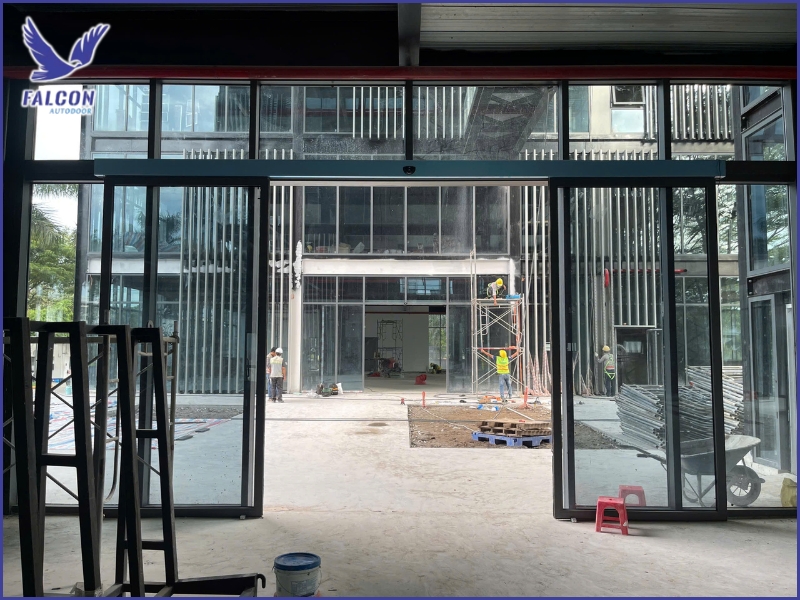
Careful planning before renovating a building for automatic door installation helps minimize construction changes, control project costs, and ensure the finished system operates safely, efficiently, and reliably for many years.
If you are planning to renovate your property and install automatic doors, contact Thuy Linh Long for professional site surveys, customized recommendations, and expert installation services that maximize your investment while delivering long-lasting performance.
THUY LINH LONG SERVICES TRADING COMPANY LIMITED
DISTRIBUTOR
Address: 243D Vuon Lai Street, Phu Tho Hoa Ward, Tan Phu District,
Ho Chi Minh City, Vietnam.
Tel: +84 28 22497999
E-mail: cuatudong24h@gmail.com
SUPPLIER
KUM YANG MATERIALS CO.,LTD
Address: 124-60, Myeongdong-ro, Hallim-myeon,
Gimhae-si, Gyeongsangnam-do, 50851, Korea.
Tel: 82-55-345-8380


