


Factors That Cause Automatic Door Motors to Fail Quickly and How to Prevent Them
The motor is the most critical component determining the stable operation of automatic doors, and improper installation, usage, or maintenance can lead to rapid degradation and failure, so understanding the key causes and prevention methods is essential to ensure long-term durability and safe operation with support from Thuy Linh Long.
1. The Role of the Motor in Automatic Door Systems
The motor is the central component of automatic door systems responsible for generating movement force, controlling opening and closing operations, and directly influencing system stability, performance efficiency, and overall lifespan under real-world usage conditions in both commercial and residential environments.
1.1 The motor as the “heart” of the system
The motor acts as the “heart” of the automatic door system by providing mechanical force to control door movement according to signals from the control unit, ensuring precise operation, and any malfunction in the motor can disrupt the entire system and affect overall stability and safety.
1.2 Direct impact on door speed and stability
The condition of the motor directly determines the opening and closing speed as well as the smoothness of operation, and when the motor is weak or unstable, the door may move irregularly, slow down, or stop at incorrect positions during daily usage in real operating environments.
1.3 Impact on the overall lifespan of the system
A properly functioning motor reduces mechanical stress on other components such as rails, rollers, and sensors, thereby extending the overall lifespan of the automatic door system, while a degraded motor can accelerate wear and cause cascading failures throughout the entire system structure.
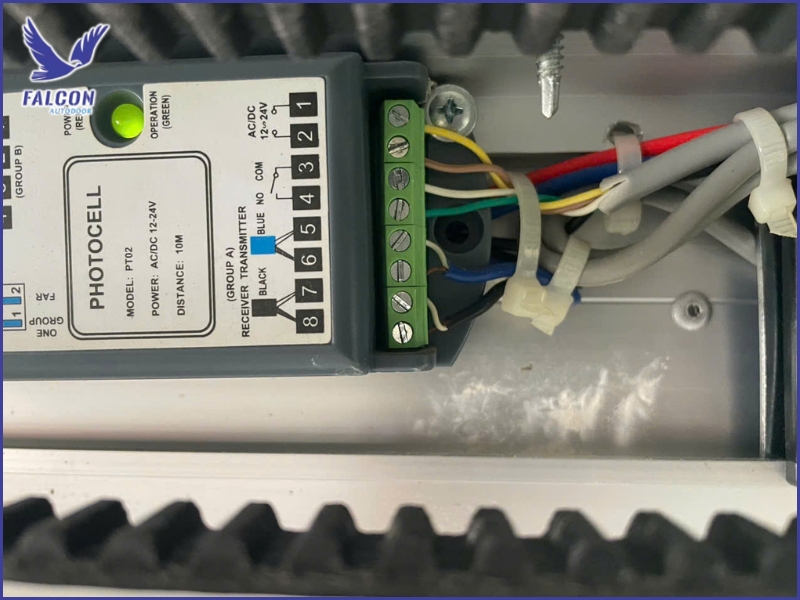
2. Factors That Cause Automatic Door Motors to Fail Quickly
Automatic door motors may degrade faster than expected when exposed to improper operating conditions, environmental stress, or technical issues, leading to reduced performance, instability in operation, and a significantly shortened lifespan of the entire automatic door system over time.
2.1 Overloading and high operating frequency
When automatic doors operate too frequently or exceed their designed capacity, the motor must continuously handle excessive workload, resulting in overheating, accelerated wear, reduced efficiency, and a higher risk of serious mechanical failure during prolonged real-world usage.
2.2 Unstable or fluctuating power supply
An unstable electrical supply with voltage fluctuations or sudden drops can cause the motor to operate inconsistently, experience overload conditions, or suffer electrical faults, which gradually reduces its performance quality and significantly shortens its operational lifespan over time.
2.3 Dust, humidity, and harsh installation environments
Exposure to dust, high humidity, or water intrusion can lead to internal oxidation, reduced heat dissipation, and mechanical jamming inside the motor, causing unstable operation and faster deterioration of internal components under long-term environmental stress conditions.
2.4 Lack of regular maintenance and lubrication
Without regular maintenance, cleaning, and lubrication, internal motor components experience increased friction, dust accumulation, and mechanical wear, which gradually reduces efficiency and significantly increases the likelihood of sudden breakdowns during operation.
2.5 Improper installation or uneven load distribution
Incorrect installation, misalignment, or uneven load distribution places irregular stress on the motor, causing vibration, instability, and accelerated wear, ultimately reducing performance efficiency and shortening the overall service life of the automatic door system.
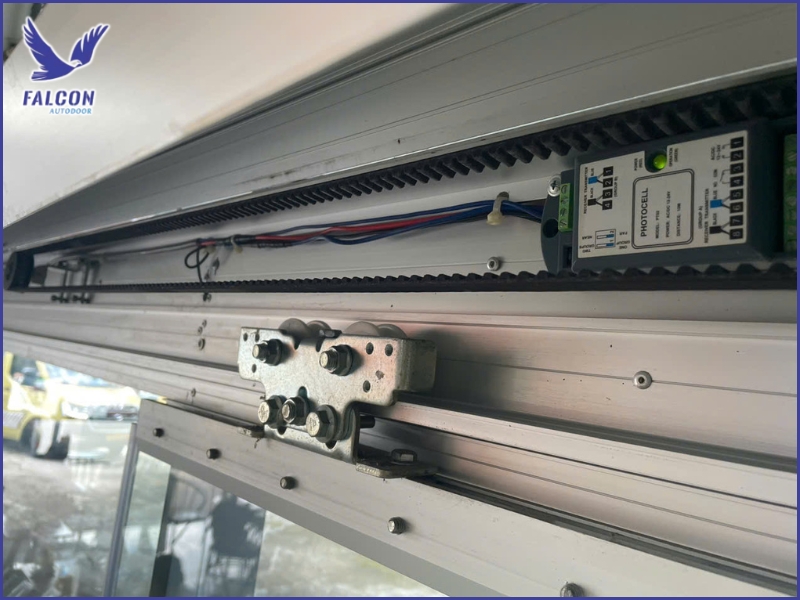
3. Signs That an Automatic Door Motor Is Deteriorating
When an automatic door motor begins to degrade, the system typically shows clear operational symptoms during daily use, and early detection of these signs is crucial to prevent further damage, system failure, and costly repairs in real-world applications.
3.1 Slow or weak door movement
When motor performance declines, the automatic door may move slower than usual or lack sufficient force to operate smoothly, resulting in weak movement and inconsistent performance that becomes more noticeable over time if not properly inspected and maintained.
3.2 Unusual noise during operation
A deteriorating motor may produce unusual noises such as grinding, vibration, or mechanical knocking sounds during operation, indicating excessive internal friction or lack of lubrication that requires immediate inspection to prevent further mechanical damage.
3.3 Motor overheating quickly
If the motor becomes unusually hot after a short operating period, it may indicate overload conditions or internal component malfunction, which can lead to severe damage, reduced efficiency, or complete motor failure if not addressed in time.
3.4 Sudden stops or unstable operation
Intermittent operation, sudden stops, or inconsistent door movement often indicate motor or control system issues, affecting overall system reliability, operational safety, and user experience in daily usage scenarios.
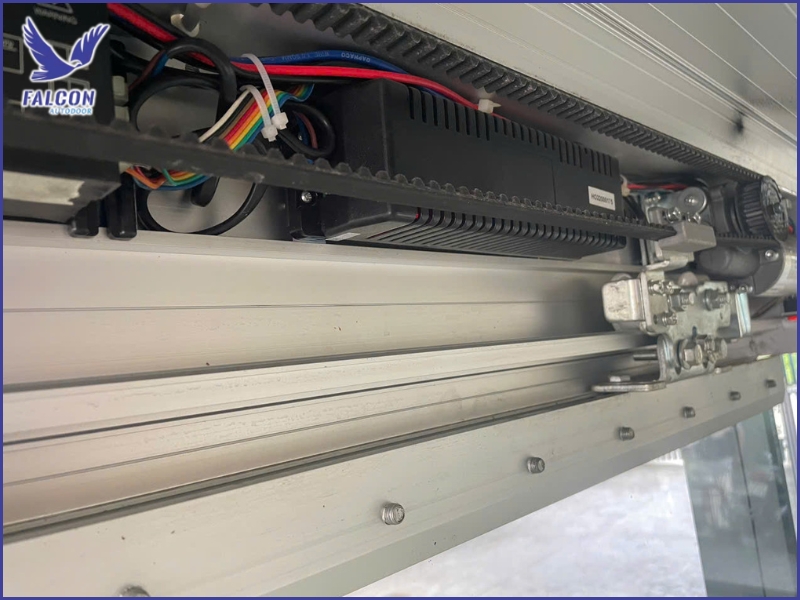
4. How to Prevent Automatic Door Motor Failure
To ensure long-term stability and durability of automatic door motors, users must combine proper product selection, correct operational practices, and regular maintenance procedures to minimize risks and maintain optimal performance throughout the system’s lifespan.
4.1 Choosing a motor with appropriate capacity
Selecting a motor with suitable load capacity and operating frequency ensures stable performance, prevents overloading, and reduces mechanical stress, thereby significantly improving durability and extending the lifespan of the automatic door system.
4.2 Regular maintenance and cleaning
Periodic maintenance helps remove dust buildup, inspect internal components, and ensure proper lubrication, allowing the motor to operate under optimal conditions while also detecting early signs of wear or malfunction before serious issues occur.
4.3 Ensuring stable and safe power supply
A stable and properly regulated power supply ensures the motor operates at correct performance levels, reducing risks of voltage fluctuations, overload, and electrical faults that can negatively impact system durability and operational safety.
4.4 Proper installation from the beginning
Professional installation ensures correct alignment, balanced load distribution, and minimized vibration, allowing the motor to operate smoothly and efficiently while reducing long-term wear and preventing premature system failure.
4.5 Operating within allowable load limits
Users must strictly follow the recommended load capacity and operational frequency of the automatic door system to avoid excessive strain on the motor, which helps maintain stable performance and significantly extends service life.
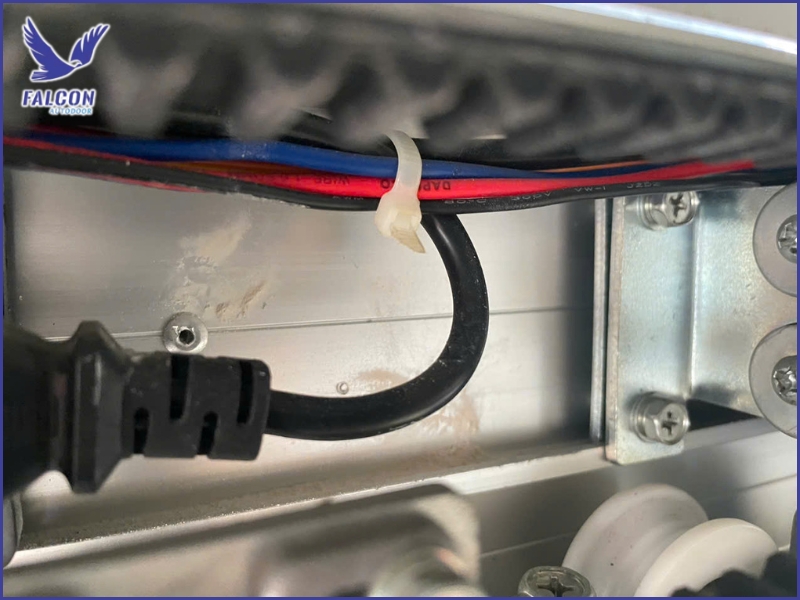
The automatic door motor is the core component determining system stability and durability, and proper maintenance combined with early detection of risk factors ensures safe, smooth, and long-lasting operation in real-world environments.
If you need consultation, inspection, or maintenance for automatic door motors, please contact Thuy Linh Long for fast technical support and optimized solutions tailored to your project requirements.
THUY LINH LONG SERVICES TRADING COMPANY LIMITED
DISTRIBUTOR
Address: 243D Vuon Lai Street, Phu Tho Hoa Ward, Tan Phu District,
Ho Chi Minh City, Vietnam.
Tel: +84 28 22497999
E-mail: cuatudong24h@gmail.com
SUPPLIER
KUM YANG MATERIALS CO.,LTD
Address: 124-60, Myeongdong-ro, Hallim-myeon,
Gimhae-si, Gyeongsangnam-do, 50851, Korea.
Tel: 82-55-345-8380


