


How to fix automatic swing doors that malfunction or stop working
Automatic swing door malfunctions or complete failure can disrupt daily activities and pose safety risks if not handled properly. In the following guide, Thuy Linh Long explains how to safely troubleshoot and fix automatic swing door issues, helping you quickly identify causes and apply effective solutions.
1. Identifying automatic swing door malfunctions and their severity
Before attempting any repairs, accurately identifying the type of issue affecting an automatic swing door is essential to avoid improper handling. Each symptom reflects a different level of severity, ranging from minor temporary issues to serious technical failures requiring professional intervention.
1.1 Common signs of automatic swing doors not working
Automatic swing doors may show symptoms such as no response when someone approaches, opening only partially before stopping, or failing to open and close despite having power. In other cases, the door may operate intermittently, opening and closing unpredictably and disrupting normal use.
1.2 Distinguishing temporary issues from serious technical faults
Temporary issues are often caused by sudden power loss, blocked sensors, or incorrect operating mode settings. In contrast, serious technical faults typically involve the motor, swing arm, or central control unit and require in-depth inspection and professional repair to ensure safety.
1.3 Risks of continuing to use a faulty automatic swing door
Attempting to operate an automatic swing door while it is malfunctioning can worsen damage to mechanical and electrical components. Unstable operation also increases collision risks, especially in high-traffic areas, posing potential safety hazards.
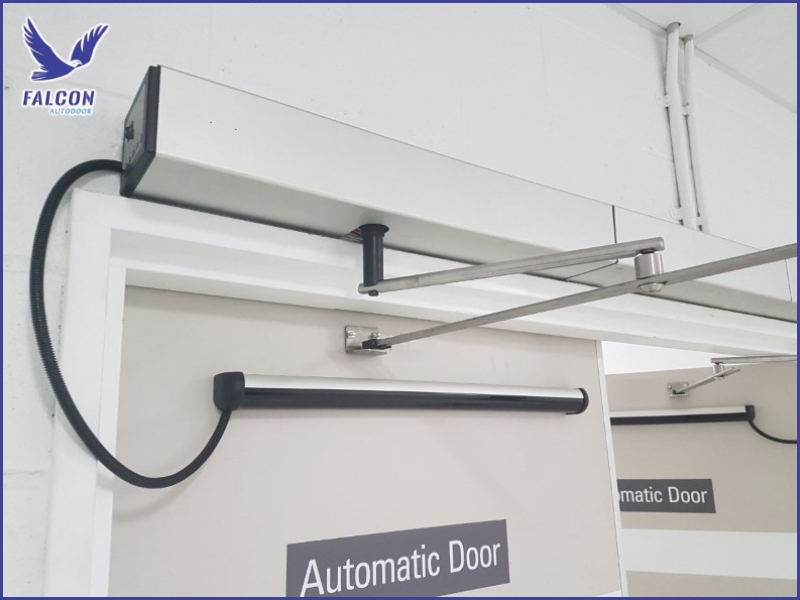
2. Common causes of automatic swing doors stopping operation
Once the issue has been identified, narrowing down the root cause is crucial for selecting the appropriate repair approach. Automatic swing doors can stop functioning for various reasons related to power supply, control systems, or internal mechanical components.
2.1 Power supply and control system issues
Unstable power supply, sudden power outages, or faults in fuses and power units can prevent the door from operating. Additionally, control unit issues such as incorrect settings, circuit failure, or signal interruption are common reasons the door does not receive open or close commands.
2.2 Motor and swing arm transmission problems
Motor overload, wear after prolonged use, or misaligned swing arms can weaken door movement or cause complete stoppage. When force transmission becomes unstable, the door may fail to reach its designed travel range and experience recurring issues.
2.3 Sensor and safety device malfunctions
Dust-covered, obstructed, or damaged sensors can prevent the door from detecting approaching users. In some cases, the safety system may mistakenly detect a continuous obstacle, causing the door to stop or refuse to open as a precaution.
2.4 External impact and mechanical wear
Strong impacts, high wind pressure, or excessive opening cycles beyond design limits can misalign hinges, swing arms, or other mechanical parts. Over time, natural wear without proper maintenance can also cause automatic swing doors to malfunction or operate inconsistently.
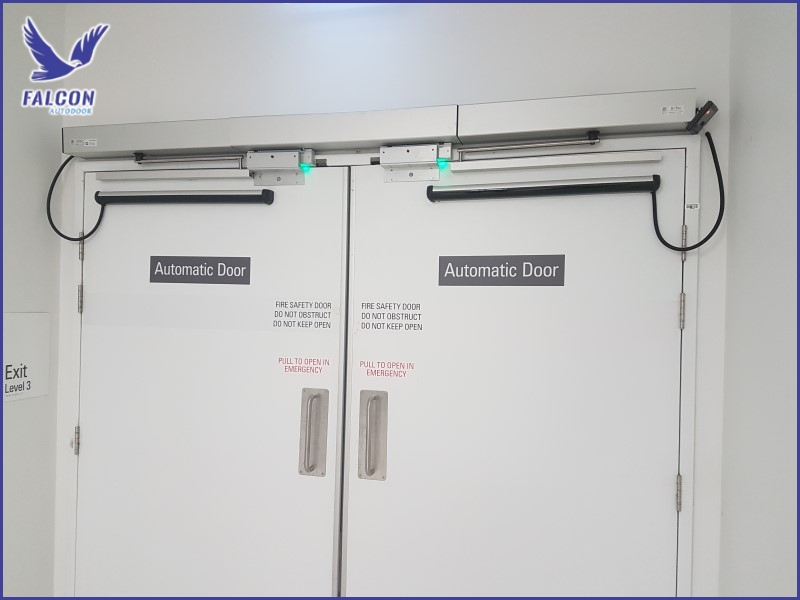
3. Basic inspection and troubleshooting steps for faulty automatic swing doors
When an automatic swing door stops working, users can perform basic inspection and troubleshooting steps to resolve simple issues. These actions should be carried out carefully, prioritizing safety and avoiding deep technical intervention.
3.1 Checking the power supply and restarting the system
First, check the power supply to ensure outlets, wiring, and power units are functioning properly. Disconnect the power for a few minutes and restart the system, as some temporary issues may be resolved through a system reset.
3.2 Inspecting swing arms, hinges, and door travel
Visually inspect swing arms and hinges for signs of misalignment, obstruction, or jamming. Remove any foreign objects and check door travel to ensure smooth movement without resistance during operation.
3.3 Cleaning and testing sensor operation
Activation sensors should be gently cleaned to remove dust or debris that may block detection. After cleaning, test sensor responsiveness by walking through the activation area to verify accurate signal detection.
3.4 Actions that should not be performed without expertise
Do not attempt to disassemble the motor, control unit, or electrical system without proper technical knowledge. Incorrect repairs can cause severe damage and pose safety risks to users.
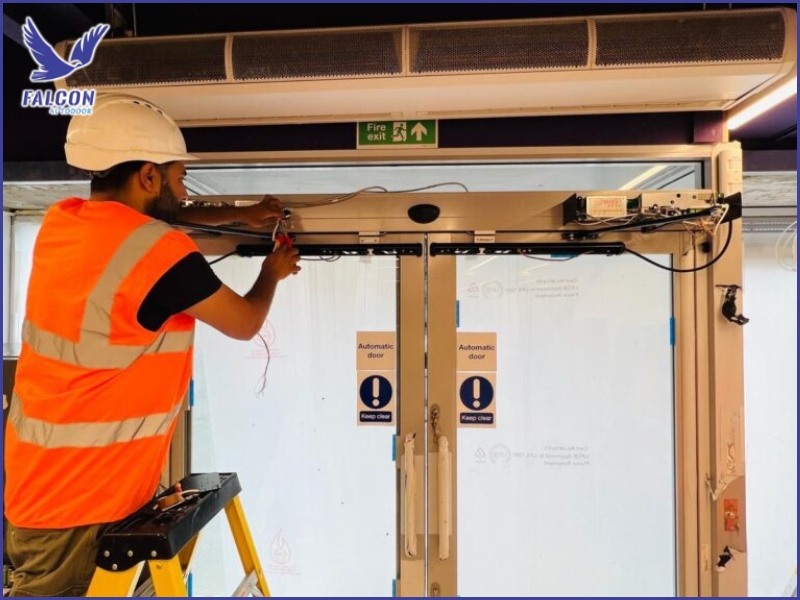
4. When to stop troubleshooting and contact professional technicians
Not all automatic swing door issues can be safely resolved on-site. Recognizing when to stop troubleshooting and seek professional technical support helps prevent further damage and ensures user safety.
4.1 Signs of complex technical failures
If the door remains unresponsive after power checks, the motor emits unusual noise, the swing arm moves uncontrollably, or the control unit repeatedly displays error signals, the system is likely experiencing complex technical issues. These situations require specialized tools and professional expertise.
4.2 Risks of continuing improper self-repair
Continuing repairs without clearly identifying the cause or interfering with electrical and motor systems can damage components, cause electrical hazards, and compromise safety. Improper repairs also lead to significantly higher repair costs later.
4.3 Benefits of proper technical repair from the outset
Contacting experienced technicians ensures accurate diagnosis and correct repair, minimizing further damage and reducing downtime. Proper repair from the start improves safety and helps automatic swing doors operate more reliably and durably over time.
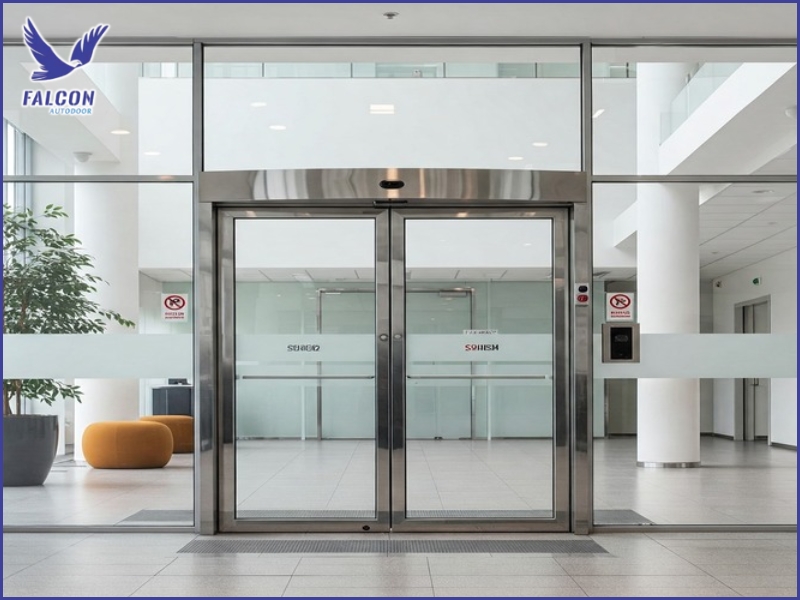
5. Preventing recurring automatic swing door issues
After resolving a malfunction, proactive prevention is essential to ensure long-term safe and stable operation. Proper usage and maintenance practices significantly reduce the risk of recurring issues.
5.1 Regular inspection and maintenance of automatic swing doors
Routine inspections help detect early signs of wear in motors, swing arms, and sensor systems. Proper cleaning, alignment, and lubrication ensure smooth operation and minimize unexpected failures.
5.2 Using the door within designed frequency and load limits
Automatic swing doors should be operated within their specified load and usage frequency. Excessive cycling or applying force to the door leaf accelerates wear and increases the likelihood of malfunctions.
5.3 Monitoring abnormal signs for early intervention
Users should pay attention to abnormal signs such as unusual noise, slow response, or uneven opening and closing. Addressing these issues early helps prevent major failures and extends the lifespan of automatic swing doors.
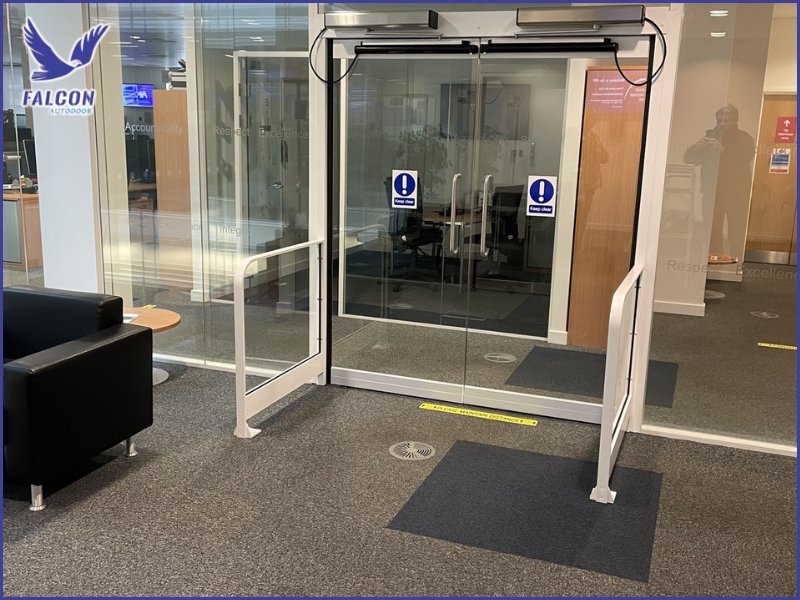
When detected early and handled correctly, automatic swing door malfunctions do not significantly affect usability or equipment durability. Understanding the causes, performing safe inspections, and applying preventive measures help ensure stable operation and reduce recurring issues.
For complex technical problems or when professional support is required, Thuy Linh Long is ready to provide expert consultation and appropriate solutions. Addressing issues correctly from the start ensures your automatic swing doors operate safely and efficiently over the long term.
THUY LINH LONG SERVICES TRADING COMPANY LIMITED
DISTRIBUTOR
Address: 243D Vuon Lai Street, Phu Tho Hoa Ward, Tan Phu District,
Ho Chi Minh City, Vietnam.
Tel: +84 28 22497999
E-mail: cuatudong24h@gmail.com
SUPPLIER
KUM YANG MATERIALS CO.,LTD
Address: 124-60, Myeongdong-ro, Hallim-myeon,
Gimhae-si, Gyeongsangnam-do, 50851, Korea.
Tel: 82-55-345-8380


