


How to handle emergency situations when an automatic door gets stuck
An automatic door getting stuck can happen unexpectedly, disrupting operations and posing serious safety risks to users. In the following article, Thuy Linh Long provides a technical and practical guide on how to handle emergency situations when an automatic door becomes stuck, helping you respond promptly and minimize potential damage.
1. Quickly identifying emergency situations involving a stuck automatic door
Correctly identifying the nature of an automatic door malfunction allows users to accurately assess the level of risk and choose the appropriate response. Not every issue requires immediate intervention; however, ignoring early warning signs can significantly increase safety risks and equipment damage especially in high-traffic areas.
1.1 Common signs of a stuck automatic door
A stuck automatic door typically shows signs such as failing to fully open or close, moving unusually slowly, or emitting abnormal noises from the motor or sliding track. In many cases, the door may stop midway even when someone passes through the sensor area, indicating a system fault that requires immediate inspection.
1.2 Situations that require immediate action for safety
Emergency situations include doors getting stuck while closing, trapping people or objects, sudden power outages during peak hours, or doors failing to respond to the control system. If not handled promptly, these issues can endanger users and disrupt building operations.
1.3 Risks of continuing to use a faulty automatic door
Attempting to operate an automatic door while it is stuck can overload the motor and damage the control unit and safety sensors. Beyond equipment damage, the risk of accidents increases significantly especially for elderly users, children, or in public spaces such as retail stores, hospitals, and office buildings.
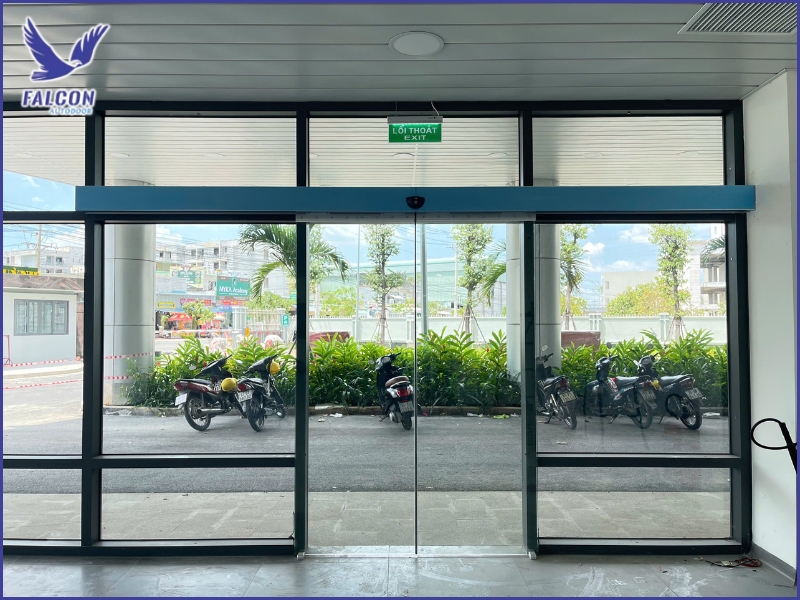
2. Common causes of sudden automatic door jamming
To effectively resolve a stuck automatic door, identifying the root cause is essential. In practice, issues may originate from various system components, including power supply, sensors, or mechanical parts, and often occur suddenly when the door is not regularly inspected or maintained.
2.1 Power supply or central control unit failure
Unstable power supply, sudden power loss, or malfunctions in the central control unit are common reasons why an automatic door stops operating mid-cycle. When the system does not receive adequate voltage or control signals are interrupted, the door may freeze, fail to respond, or operate incorrectly.
2.2 Obstructed or damaged safety sensors
Safety sensors are designed to detect people and obstacles in the doorway area. When sensors are covered with dust, blocked by objects, or damaged due to humid environments, the system may mistakenly detect a constant obstruction, causing the door to remain open or get stuck at a fixed position.
2.3 Issues with tracks, rollers, or motor
Mechanical components such as sliding tracks, rollers, and motors may wear out, become misaligned, or lack proper lubrication over time. Increased friction or unstable motor performance can cause the door to move with difficulty, become stuck, and generate unusual noise during operation.
2.4 External impact or system overload
Strong impacts, high wind pressure, excessive opening and closing beyond design capacity, or attaching additional weight to the door panels can unbalance the system. These factors make automatic doors more prone to jamming, misalignment, and reduced overall equipment lifespan.
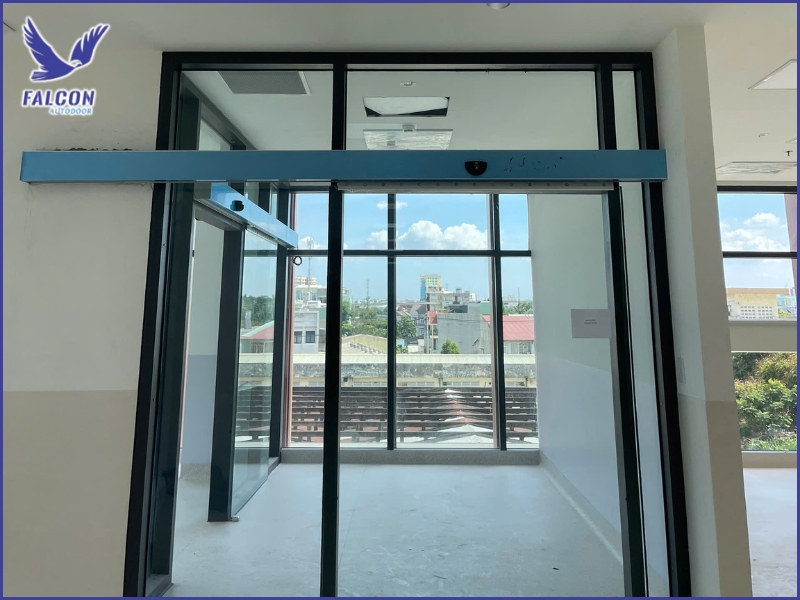
3. Emergency handling steps when an automatic door gets stuck
When an automatic door becomes stuck, following the correct procedure not only helps restore temporary functionality but also ensures user safety and prevents further damage. Users should remain calm, prioritize safety, and perform basic checks before attempting deeper system intervention.
3.1 Disconnect the power supply and secure the area
The first step is to completely cut off the power supply to the automatic door to prevent electrical hazards or sudden reactivation. At the same time, warn and guide people to stay clear of the doorway especially in high-traffic areas to minimize accident risks.
3.2 Switch to manual operation mode if necessary
Most automatic door systems are equipped with a manual override mode for use during malfunctions or power outages. Switching to manual mode allows temporary access for people and vehicles while preventing excessive force on the motor and drive system when the door is malfunctioning.
3.3 Perform a quick check on common jamming points
After ensuring safety, users can visually inspect the sliding tracks, rollers, and sensors to identify obstructions, dirt buildup, or signs of misalignment. If a simple cause such as a foreign object is found, it can be carefully removed to stabilize door operation, avoiding deep technical intervention.
3.4 Actions that should be strictly avoided
Do not forcefully push or pull the door panels if the system has not been fully powered off. Unauthorized disassembly of the motor, control unit, or electrical components can lead to severe damage, safety hazards, and increased repair costs later.
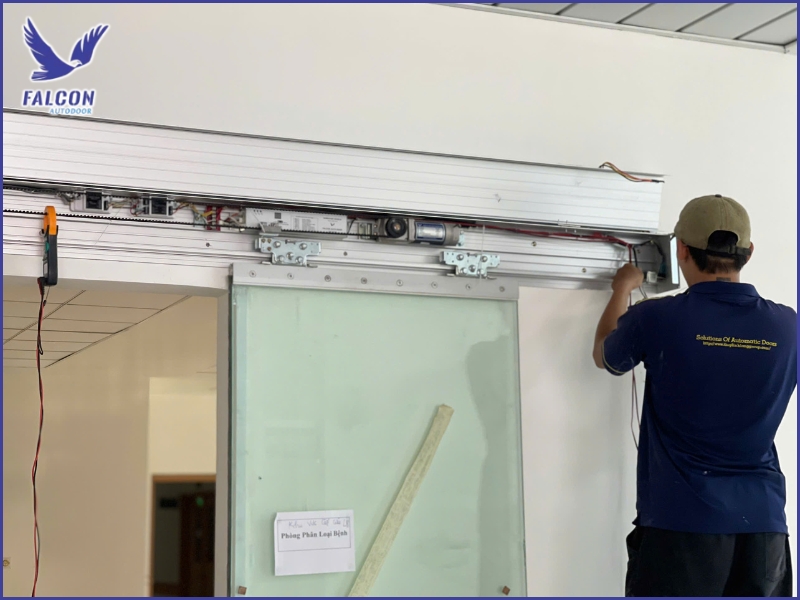
4. When to contact professional technical service providers
Not all automatic door malfunctions can be fully resolved on-site. In many cases, continued intervention without proper expertise can worsen the damage. Recognizing the right time to contact professional technicians ensures safety and effective system recovery.
4.1 Signs that the issue exceeds temporary handling capabilities
If the door remains stuck with symptoms such as a non-functioning motor, unresponsive control system, burning smells, loud abnormal noises, or recurring faults after basic checks, the issue is likely complex. These situations require specialized tools and experienced technicians for safe resolution.
4.2 Benefits of timely professional technical support
Contacting technical specialists early helps accurately diagnose the root cause, prevent damage from spreading to other components, and reduce downtime. Professional technicians also ensure repairs meet technical standards, allowing the door to operate reliably and extending the system’s service life.
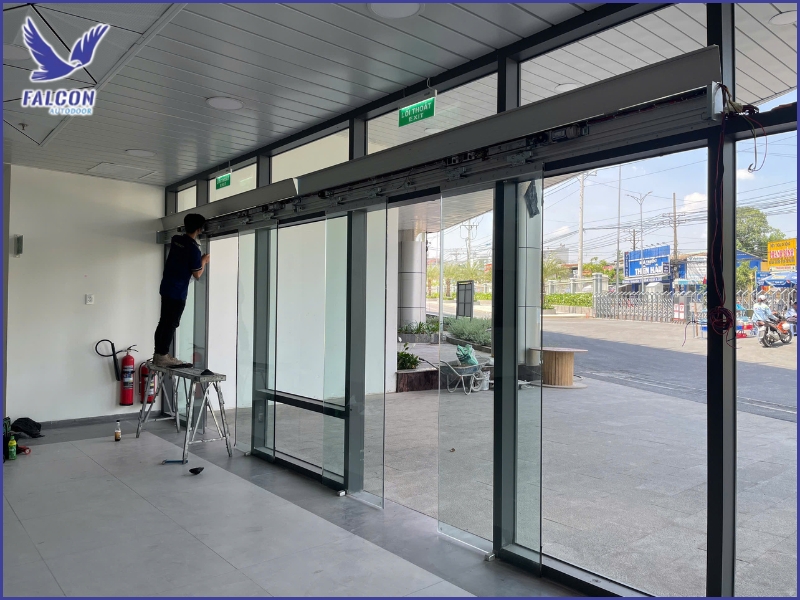
5. Preventing automatic door jamming in the future
After resolving a malfunction, proactively preventing similar issues from recurring is essential for long-term safe and stable operation. Proper maintenance and correct usage not only reduce the risk of door jamming but also optimize repair costs and extend system longevity.
5.1 Perform regular automatic door maintenance as recommended
Routine maintenance helps detect early signs of wear in motors, tracks, rollers, and control systems. Proper cleaning, alignment, and lubrication ensure smooth operation and minimize unexpected failures during use.
5.2 Use the door within its designed load and operating frequency
Each automatic door system is designed for specific load limits and operating cycles. Overloading, excessive continuous use, or applying strong force to door panels accelerates system degradation and increases the likelihood of jamming especially in high-traffic environments.
5.3 Regularly check safety sensors and power supply
Safety sensors and a stable power supply are critical to accurate automatic door operation. Periodic inspection and cleaning of sensors, along with ensuring consistent power quality, help the system respond correctly, reduce jamming risks, and enhance operational safety.

A stuck automatic door is an unexpected issue that can significantly impact safety and building operations if not handled correctly. Understanding how to identify, respond to, and prevent such emergencies allows users to act proactively while minimizing risks and operational costs.
If you are experiencing automatic door issues or need professional consultation, maintenance, or repair services, contact Thuy Linh Long today for fast, technical, and reliable support. Timely action today is the key to ensuring long-term safety and efficiency for your automatic door systems.
THUY LINH LONG SERVICES TRADING COMPANY LIMITED
DISTRIBUTOR
Address: 243D Vuon Lai Street, Phu Tho Hoa Ward, Tan Phu District,
Ho Chi Minh City, Vietnam.
Tel: +84 28 22497999
E-mail: cuatudong24h@gmail.com
SUPPLIER
KUM YANG MATERIALS CO.,LTD
Address: 124-60, Myeongdong-ro, Hallim-myeon,
Gimhae-si, Gyeongsangnam-do, 50851, Korea.
Tel: 82-55-345-8380


