


How to optimize automatic door opening and closing speed for safety
Opening and closing speed is an important factor that directly affects the safety, user experience, and lifespan of automatic doors. Proper speed adjustment helps the system operate smoothly, reduce collision risks, and meet the operational needs of different environments. Let’s explore the details with Thuy Linh Long in the article below.
1. Why is it important to optimize automatic door speed?
The opening and closing speed of automatic doors directly affects safety, operational stability, and user convenience, so proper adjustment helps minimize collisions, improve efficiency, and extend the lifespan of the entire automatic door system in different environments.
1.1 Door speed affects user safety
If automatic doors operate at unsuitable speeds, they may cause collisions during movement, especially in crowded areas such as hospitals, shopping centers, or office buildings, so optimizing speed helps improve safety, reduce risks, and create a more convenient experience for users.
1.2 Speed optimization helps extend system lifespan
Setting appropriate opening and closing speeds allows motors, sliding tracks, and mechanical components to operate more smoothly during continuous use, reducing overload pressure, minimizing wear, preventing technical failures, and maintaining long-term durability for the entire automatic door system.
1.3 Ensure a professional operating experience
An automatic door system that operates smoothly with properly adjusted speed not only improves convenience for users but also enhances the modern, professional, and organized appearance of spaces such as showrooms, hotels, offices, and high-traffic service areas.
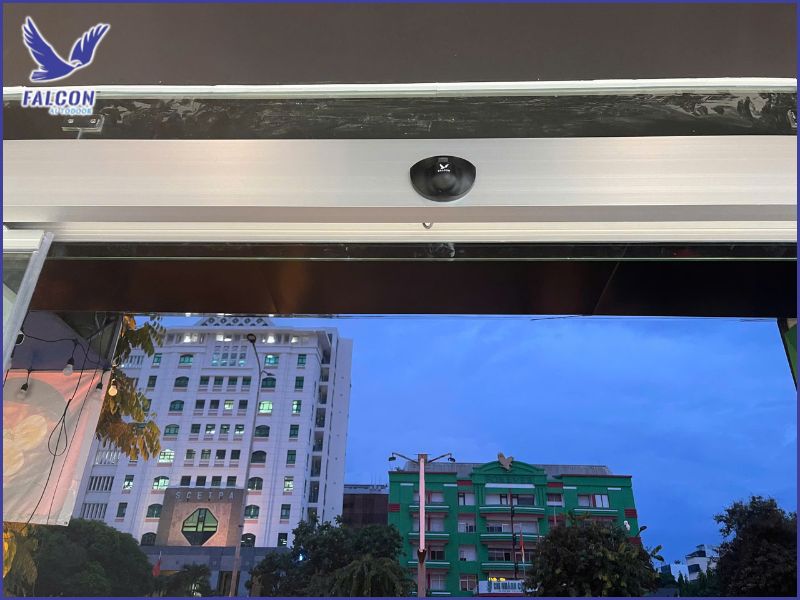
2. Factors affecting automatic door opening and closing speed
The opening and closing speed of automatic doors is influenced by various factors such as door weight, usage frequency, safety sensors, and control systems, so evaluating the entire system carefully is essential to ensure stable, safe, and efficient operation.
2.1 Door weight and size
Large automatic doors or systems using thick glass panels often require carefully adjusted operating speeds to reduce pressure on motors and sliding tracks, helping the door operate more smoothly, minimizing vibration, and reducing technical issues over time.
2.2 Usage frequency in each area
In high-traffic environments such as hospitals, shopping centers, offices, or showrooms, automatic doors should be configured with suitable opening and closing speeds to maintain smooth movement, prevent congestion, and ensure safe operation during continuous daily use.
2.3 Sensitivity of safety sensors
Safety sensors play an important role in detecting movement and obstacles to control door operation accurately, so if sensor sensitivity is not adjusted properly, the door may respond slowly, close at the wrong time, or increase the risk of collisions.
2.4 Controller settings and adjustment capability
Modern automatic door systems are typically equipped with control units that allow flexible adjustment of opening speed, closing speed, and hold-open time, helping optimize performance and adapt to different operational environments and usage requirements.
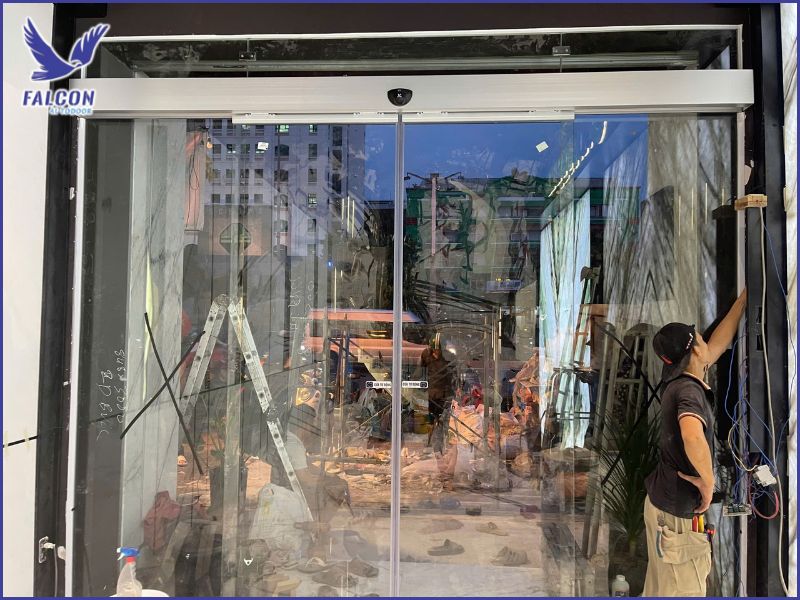
3. Effective ways to optimize automatic door speed
Optimizing automatic door speed should involve proper technical configuration, accurate sensor integration, and consideration of actual operating conditions to ensure stable performance, reduce collision risks, improve durability, and provide a smoother user experience.
3.1 Adjust opening speed according to traffic flow
High-traffic locations such as shopping centers, hospitals, and office buildings often require faster opening speeds to improve movement efficiency, while environments with stricter safety requirements should prioritize stable and controlled operation for safer access.
3.2 Set an appropriate hold-open time
The hold-open duration should be adjusted according to actual usage needs so users have enough time to move through the doorway while maintaining efficient operation, reducing energy loss from air conditioning systems, and preventing excessive door cycling.
3.3 Integrate anti-pinch and anti-collision sensors
Combining presence sensors with anti-collision systems allows automatic doors to detect obstacles more accurately, enabling the system to stop or reverse movement automatically when people or objects are detected in the operating area.
3.4 Perform regular inspection and system calibration
Routine inspection and maintenance help identify issues related to motors, sensors, or control units early, allowing timely speed adjustments while ensuring smoother operation, minimizing equipment damage, and extending system lifespan.
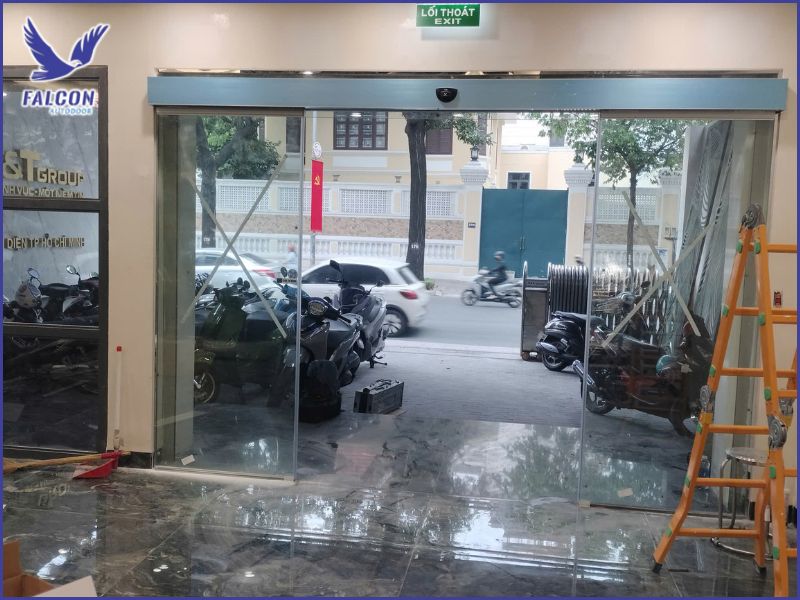
4. Common mistakes when adjusting automatic door speed
Many users or installers change operating speed settings without fully understanding the technical specifications of the automatic door system, which can reduce safety, affect operational stability, and accelerate component wear over long-term use.
4.1 Setting excessively high speeds to improve efficiency
Increasing opening and closing speed beyond suitable levels to shorten movement time can cause unstable operation, excessive vibration, increased pressure on motors and tracks, and a higher risk of collisions in crowded environments.
4.2 Failing to test sensors after adjustments
After changing speed settings, failing to check safety sensor performance may cause inaccurate obstacle detection, leading to premature closing, delayed responses, or failure to stop when people move through the doorway.
4.3 Incorrectly changing technical parameters
Adjusting control unit settings without proper technical knowledge can disrupt operation cycles, create imbalance between opening and closing speeds, trigger system errors, and negatively affect both safety and equipment durability.
4.4 Ignoring regular maintenance and calibration
Automatic door systems that are not inspected and recalibrated regularly may experience unstable speed performance, inaccurate sensor operation, and increased wear on mechanical components, reducing efficiency and increasing the risk of unexpected failures.
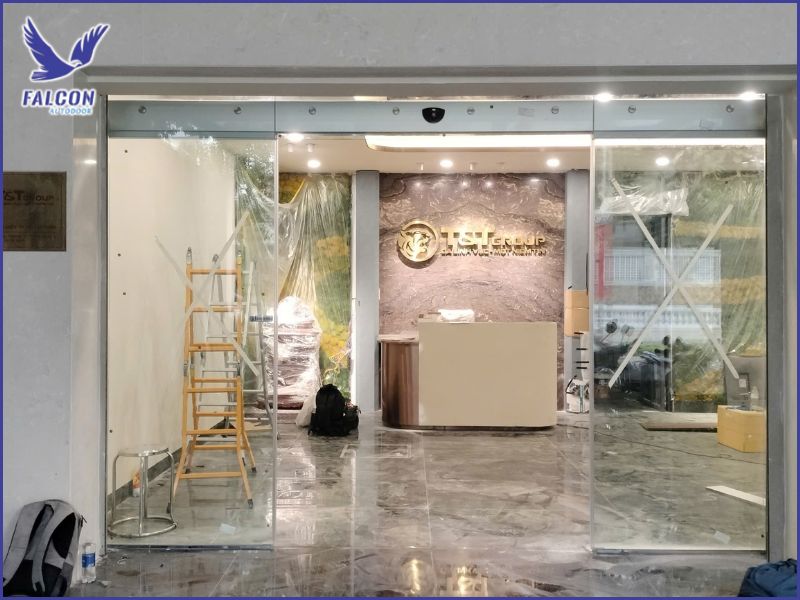
Optimizing the opening and closing speed of automatic doors is essential for ensuring safe, stable, and efficient operation in different environments. Proper parameter adjustment combined with regular inspection not only minimizes collision risks but also extends equipment lifespan and maintains long-term performance.
If you are looking for automatic door solutions that deliver stable operation, safety, and efficiency for your project, contact Thuy Linh Long for professional consultation, expert installation support, and optimized operating solutions tailored to your specific requirements.
THUY LINH LONG SERVICES TRADING COMPANY LIMITED
DISTRIBUTOR
Address: 243D Vuon Lai Street, Phu Tho Hoa Ward, Tan Phu District,
Ho Chi Minh City, Vietnam.
Tel: +84 28 22497999
E-mail: cuatudong24h@gmail.com
SUPPLIER
KUM YANG MATERIALS CO.,LTD
Address: 124-60, Myeongdong-ro, Hallim-myeon,
Gimhae-si, Gyeongsangnam-do, 50851, Korea.
Tel: 82-55-345-8380


