


How to properly arrange automatic doors in building facade design
In modern architecture, automatic doors are increasingly used at building facades thanks to their convenience and aesthetic appeal. In this article, Thuy Linh Long shares how to properly arrange automatic doors to ensure architectural harmony and optimize functionality for long-term use.
1. The role of automatic doors in building facade design
In modern architectural design, automatic doors are not only functional entry points but also important elements that shape the overall appearance of a building facade, helping create a balanced, professional, and visually appealing space while enhancing user convenience.
1.1 Create a modern and professional highlight
Automatic doors with sleek glass finishes and intelligent operating mechanisms contribute to a modern and professional facade appearance, helping buildings stand out visually while creating a strong first impression for customers, partners, and visitors when approaching or entering the property.
1.2 Improve convenience for entry and exit
With motion sensors and automatic opening systems, these doors allow people to move in and out quickly and smoothly, especially in high-traffic environments such as office lobbies, shopping centers, or hotels where continuous flow and accessibility are essential.
1.3 Optimize the functionality of facade space
Properly arranged automatic doors help maximize entrance space efficiency and create a seamless connection between indoor and outdoor areas, improving usability while maintaining a clean and organized layout that supports both aesthetics and functionality.
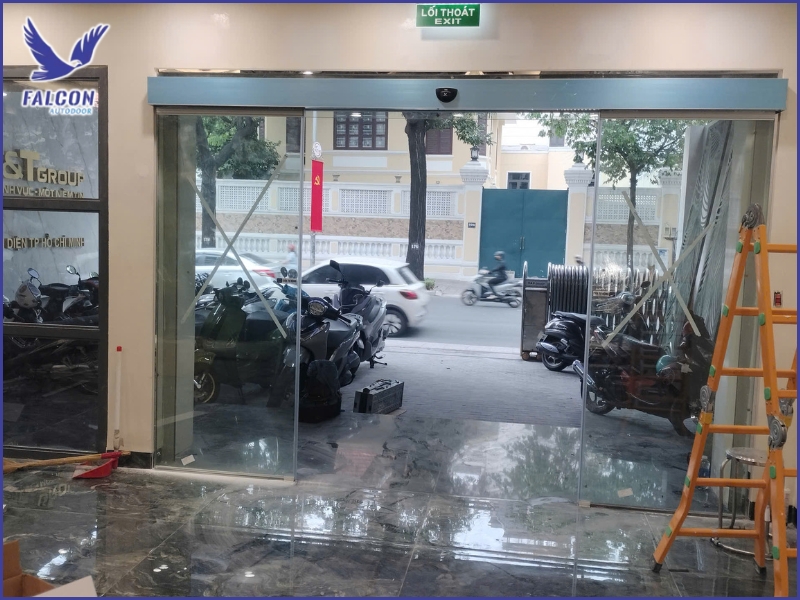
2. Principles for arranging automatic doors in building facades
To ensure both visual harmony and optimal functionality, automatic doors should be arranged according to key principles related to architectural balance, traffic flow, and spatial efficiency, allowing the system to operate effectively while enhancing the overall facade design.
2.1 Ensure balance with overall architecture
The position, size, and design of automatic doors should align with the building’s overall structure and facade layout to maintain visual balance and harmony, ensuring the door system integrates naturally without disrupting architectural proportions.
2.2 Match traffic flow
Understanding the volume and frequency of people moving through the building helps determine the appropriate door size and number, ensuring smooth circulation, minimizing congestion, and maintaining efficient operation during peak usage times.
2.3 Maximize entrance space
Strategic placement of automatic doors allows efficient use of limited entrance areas, especially for narrow facades, helping maintain smooth access while optimizing spatial layout and ensuring comfortable movement for users.
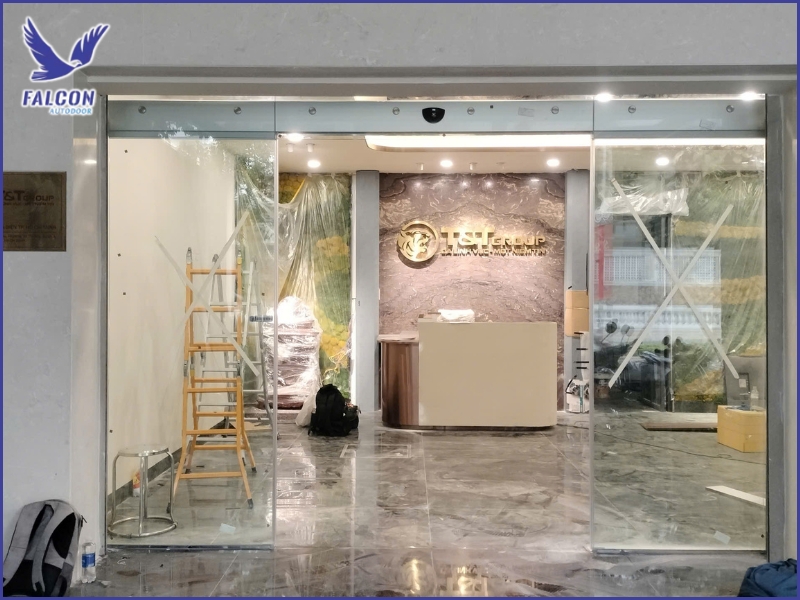
3. Common placement positions for automatic doors in building facades
Automatic doors can be installed in various locations depending on building layout and usage needs, and selecting the right positions helps improve accessibility, manage traffic flow effectively, and create a cohesive connection between exterior and interior spaces.
3.1 Main entrance at the building lobby
The main lobby is the most common location for automatic doors due to high traffic volume, and installing doors here helps improve accessibility, streamline movement, and create a welcoming and professional entrance for visitors and employees.
3.2 Secondary entrances for offices or private access
Secondary automatic doors are often installed in staff entrances or private office areas to help separate traffic flow, reduce pressure on the main entrance, and improve operational efficiency within the building.
3.3 Connecting doors between lobby and interior spaces
Automatic doors are also used to connect the lobby with interior areas such as corridors, reception zones, or workspaces, ensuring smooth transitions and maintaining consistency in both functionality and design throughout the building.
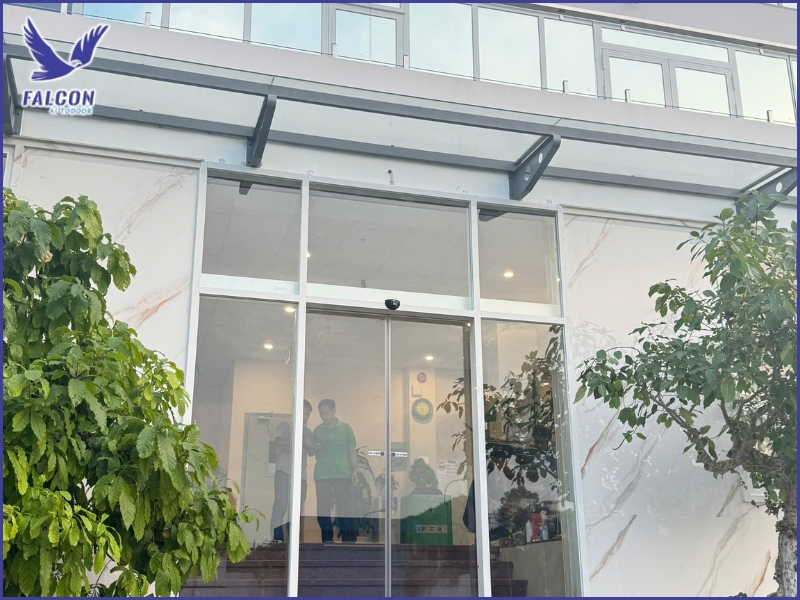
4. Technical considerations when arranging automatic doors at the facade
In addition to design and placement, technical factors must be carefully evaluated to ensure the automatic door system operates safely, efficiently, and reliably over time, while also meeting the specific conditions of the building environment.
4.1 Choose the right door type for the facade space
Depending on facade size and architectural style, selecting suitable door types such as sliding, swing, or folding doors helps ensure efficient operation while optimizing available space and maintaining smooth access for users.
4.2 Ensure safety and stable operation
Automatic doors should be equipped with reliable safety features such as motion sensors and precise control systems to ensure accurate operation timing, reduce collision risks, and provide a safe user experience.
4.3 Harmonize with facade materials
To achieve a cohesive facade design, automatic doors should be integrated with materials such as glass, aluminum, or stone finishes, ensuring visual consistency and enhancing the overall aesthetic value of the building.
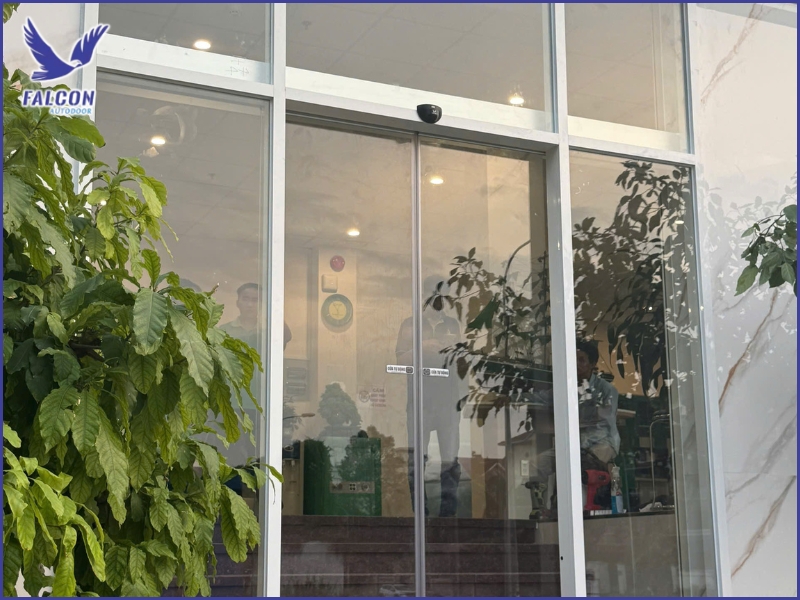
Proper arrangement of automatic doors in building facade design not only improves convenience but also enhances overall aesthetics and professionalism. When placement, door types, and technical elements are carefully planned, the system will operate efficiently, safely, and durably over time.
If you are looking for automatic door solutions suitable for building facades, Thuy Linh Long is ready to provide consultation and tailored solutions to meet your architectural and operational needs. Contact Thuy Linh Long today for detailed support and optimal system selection.
THUY LINH LONG SERVICES TRADING COMPANY LIMITED
DISTRIBUTOR
Address: 243D Vuon Lai Street, Phu Tho Hoa Ward, Tan Phu District,
Ho Chi Minh City, Vietnam.
Tel: +84 28 22497999
E-mail: cuatudong24h@gmail.com
SUPPLIER
KUM YANG MATERIALS CO.,LTD
Address: 124-60, Myeongdong-ro, Hallim-myeon,
Gimhae-si, Gyeongsangnam-do, 50851, Korea.
Tel: 82-55-345-8380


