


How to properly clean automatic doors to extend equipment lifespan
After a period of use, automatic doors can accumulate dust and debris on components such as sliding rails, sensors, and door surfaces, which may affect performance and durability. Join Thuy Linh Long to learn the proper way to clean automatic doors to ensure stable operation, maintain efficiency, and extend their lifespan.
1. Why regular cleaning of automatic doors is necessary
Regular cleaning is essential to keep automatic door systems operating smoothly, as components like sliding rails, sensors, and door surfaces can accumulate dirt over time, and if not cleaned properly, this may reduce performance and shorten the lifespan of the system.
1.1 Maintaining smooth and stable operation
When automatic doors are cleaned regularly, moving parts such as rails, rollers, and transmission systems are less likely to accumulate dirt, allowing the door to move more smoothly, reducing friction, and maintaining quiet and stable operation.
1.2 Preventing dust from affecting sensors and rails
Sensors and sliding rails are highly susceptible to dust in the operating environment, so regular cleaning helps remove debris that may interfere with motion detection or reduce rail smoothness, ensuring more accurate and stable operation.
1.3 Extending the lifespan of components
Proper cleaning and maintenance help reduce wear caused by dirt and friction, allowing components such as motors, rollers, and sensors to perform better and last longer.
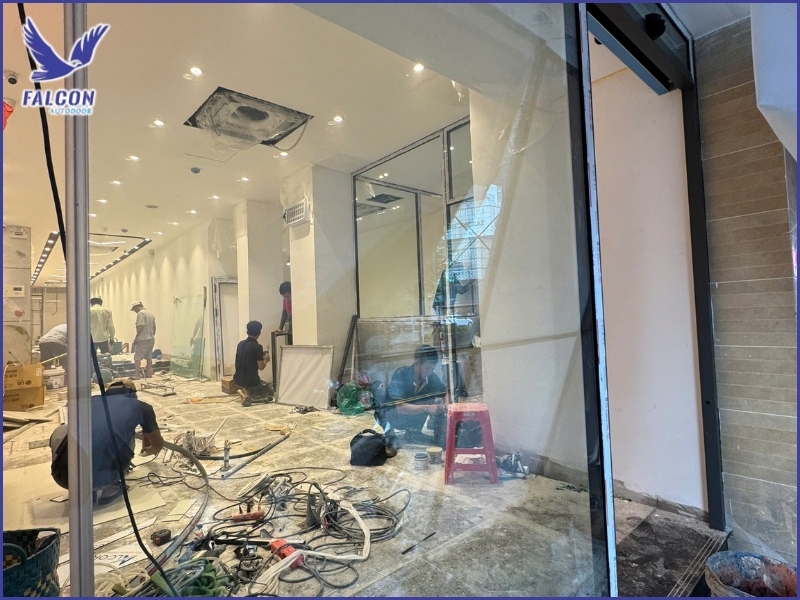
2. Parts of automatic doors that need regular cleaning
During operation, certain parts of automatic doors are frequently exposed to the environment and are prone to dust accumulation, so cleaning the right areas helps maintain stable performance, prevent damage, and ensure long-term efficiency.
2.1 Door surface and frame
The door surface and frame are the most visible areas and are often exposed to dust, fingerprints, and environmental stains, so regular cleaning with appropriate tools helps keep the door clean and maintain the aesthetic appearance of the space.
2.2 Sliding rails and guide rollers
Sliding rails and guide rollers are essential for smooth door movement, so if dirt or debris accumulates in these areas, it can increase friction, reduce performance, and cause noise during operation.
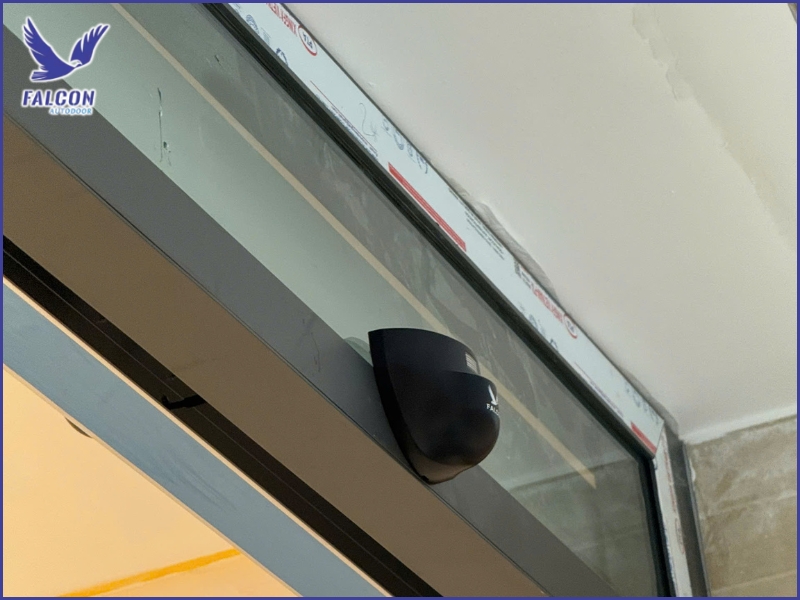
2.3 Sensors and control components
Sensors detect motion to activate door operation, so if they are covered with dust or obstructed, detection accuracy may be affected, making gentle cleaning and regular inspection necessary to ensure proper system response.
3. Proper techniques for cleaning automatic doors
To ensure long-term stability and durability, cleaning must be performed correctly and systematically to effectively remove dirt without affecting mechanical components or electronic devices.
3.1 Preparing appropriate cleaning tools
Before cleaning, prepare suitable tools such as soft cloths, small brushes, handheld vacuum cleaners, or specialized cleaning solutions to improve effectiveness, while avoiding hard objects that may scratch surfaces or damage components.
3.2 Cleaning door surfaces and frames properly
Door surfaces and frames can be cleaned using a soft cloth and mild cleaning solution to remove dust, fingerprints, and stains, and cleaning should be done gently and evenly to maintain cleanliness and aesthetics.
3.3 Cleaning sliding rails and moving parts
Sliding rails and moving parts should be cleaned using a small brush or vacuum cleaner to remove dust, sand, and debris that may obstruct movement, helping ensure smooth operation and reducing noise.
3.4 Checking sensors after cleaning
After cleaning, it is important to check sensor performance to ensure the system can still detect motion accurately and respond promptly, maintaining stable and safe operation.
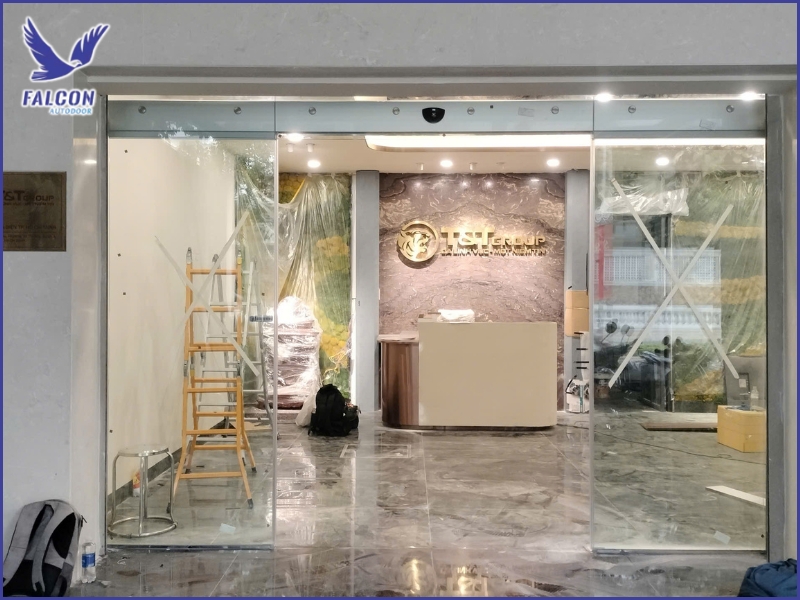
4. Important notes when cleaning automatic doors
In addition to proper cleaning methods, it is important to follow certain precautions to avoid damaging mechanical systems and electronic components, ensuring long-term stability and durability.
4.1 Avoid using corrosive chemicals
Strong or corrosive cleaning agents should be avoided, as they may damage surface finishes and affect metal parts or internal components of the system.
4.2 Prevent water from contacting electrical components
Automatic doors include electronic components such as motors, controllers, and sensors, so water or cleaning solutions should not come into direct contact with these parts to avoid electrical issues or operational failure.
4.3 Do not disassemble technical components without expertise
Complex components such as motors or controllers should not be disassembled for cleaning without proper technical knowledge, as incorrect handling may cause misalignment or damage.
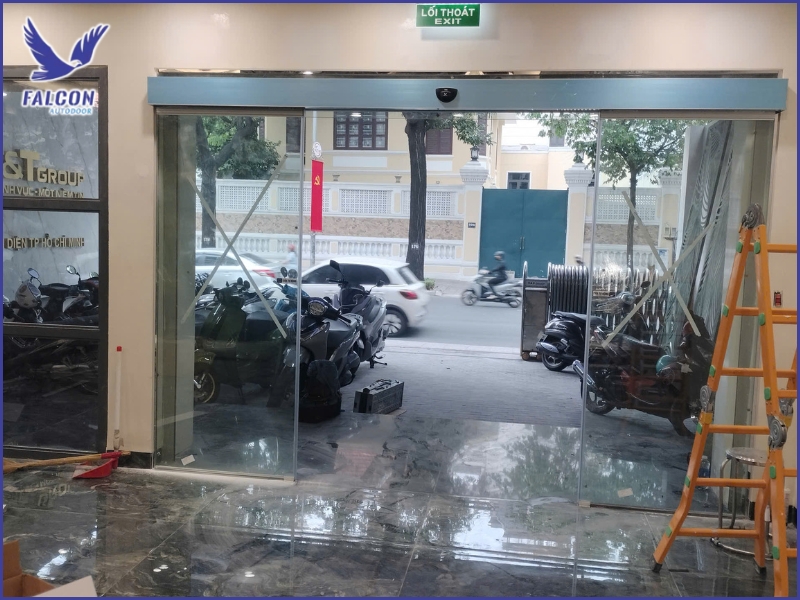
5. Cleaning frequency for effective performance
To maintain stable operation and durability, cleaning should be performed at a frequency appropriate to the environment and usage level, as regular cleaning and inspection help prevent dirt buildup and ensure long-term efficiency.
5.1 Cleaning based on environment
Cleaning frequency should be adjusted depending on the installation environment such as shopping centers, restaurants, offices, or dusty areas, as high-traffic or dusty environments require more frequent cleaning.
5.2 Combining cleaning with performance checks
During cleaning, it is recommended to check door operation, sensor responsiveness, and rail condition to detect early signs of issues and address them promptly.
5.3 Periodic maintenance for system durability
In addition to regular cleaning, periodic maintenance by professional technicians is necessary to inspect key components such as motors, controllers, and transmission systems, helping maintain performance and extend lifespan.
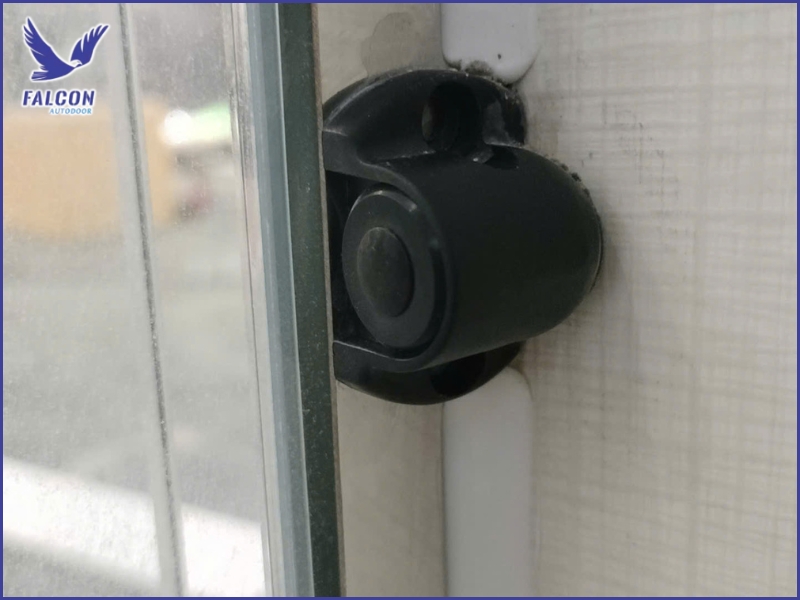
Proper and regular cleaning of automatic doors not only keeps the system clean but also ensures stable operation, reduces potential issues, and extends the lifespan of components. When parts such as door panels, sliding rails, and sensors are maintained regularly, the system operates smoothly and provides a more convenient user experience.
If you need consultation on maintenance, cleaning, or installation of automatic door systems, Thuy Linh Long is ready to provide effective and suitable solutions. Contact Thuy Linh Long for detailed support and ensure your automatic door system operates safely, efficiently, and durably over time.
THUY LINH LONG SERVICES TRADING COMPANY LIMITED
DISTRIBUTOR
Address: 243D Vuon Lai Street, Phu Tho Hoa Ward, Tan Phu District,
Ho Chi Minh City, Vietnam.
Tel: +84 28 22497999
E-mail: cuatudong24h@gmail.com
SUPPLIER
KUM YANG MATERIALS CO.,LTD
Address: 124-60, Myeongdong-ro, Hallim-myeon,
Gimhae-si, Gyeongsangnam-do, 50851, Korea.
Tel: 82-55-345-8380


