


Important Considerations When Installing Automatic Doors for Multi-Storey Buildings
In multi-storey buildings, automatic door systems play an essential role in ensuring smooth circulation, safety, and architectural consistency with modern construction designs. However, installing automatic doors at high-rise scale requires strict technical standards and specific considerations to ensure long-term stable operation. Let’s explore the details together with Thuy Linh Long in the article below.
1. Importance of Automatic Doors in Multi-Storey Buildings
Automatic doors in multi-storey buildings play a key role in optimizing pedestrian flow, enhancing architectural aesthetics, and supporting access control systems, while ensuring smooth and safe movement across different areas of commercial, residential, and office environments in modern high-rise structures.
1.1 Optimizing human traffic flow between floors
Automatic doors help ensure fast, continuous, and efficient movement of people in high-traffic areas such as lobbies and entrances, reducing congestion and improving overall circulation efficiency throughout multi-storey buildings during peak usage hours and daily operations.
1.2 Enhancing the professional image of the building
Modern automatic door systems with glass and aluminum designs enhance architectural aesthetics, create a professional first impression at entrance areas, and contribute to increasing the overall value and modern image of multi-storey commercial and residential buildings.
1.3 Ensuring access control in lobbies and corridors
Automatic doors integrated with access control technologies such as cards, fingerprint systems, or facial recognition help improve security management, regulate entry and exit effectively, and enhance safety across different functional zones within multi-storey buildings.
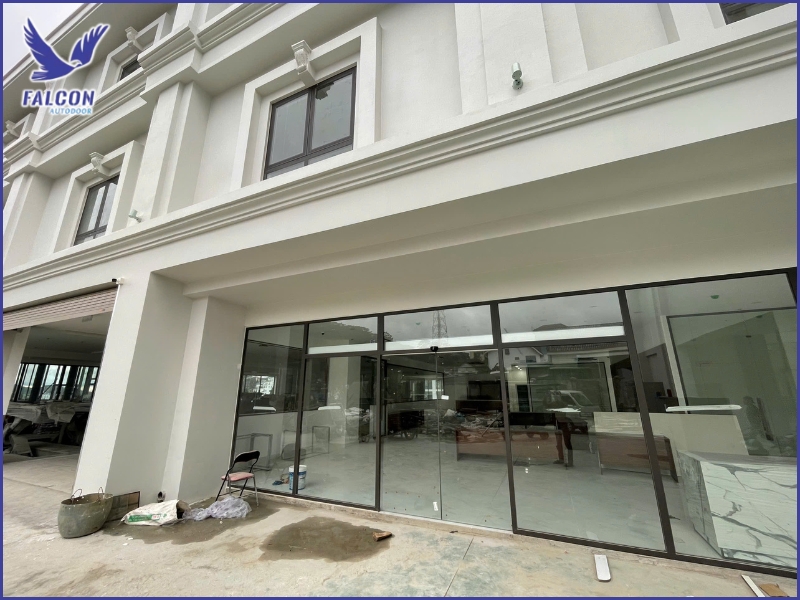
2. Technical Requirements for Installing Automatic Doors in High-Rise Buildings
Installing automatic doors in high-rise buildings requires strict technical standards to ensure stable operation under heavy usage, environmental variations, and system integration requirements, while maintaining durability, safety, and consistent performance across the entire building infrastructure.
2.1 Stable operation under high usage frequency
Automatic doors must be designed to operate continuously with high daily opening and closing cycles while maintaining stable performance, minimizing system errors, and ensuring long-term durability under constant usage in busy multi-storey building environments.
2.2 Resistance to wind pressure and varying environmental conditions between floors
Automatic doors must be engineered to withstand changing wind pressure and environmental differences between floors, ensuring smooth, safe, and stable operation even when exposed to airflow variations in high-rise architectural structures.
2.3 Integration with centralized electrical and control systems
Automatic door systems need to be integrated into the building’s centralized electrical and control infrastructure to ensure synchronized operation, efficient monitoring, and fast troubleshooting, while supporting overall system stability and management efficiency.
2.4 Compatibility with Building Management System (BMS)
Automatic doors should be compatible with Building Management Systems (BMS) to enable centralized monitoring, remote control, and operational optimization, improving efficiency, safety management, and system coordination across the entire building.
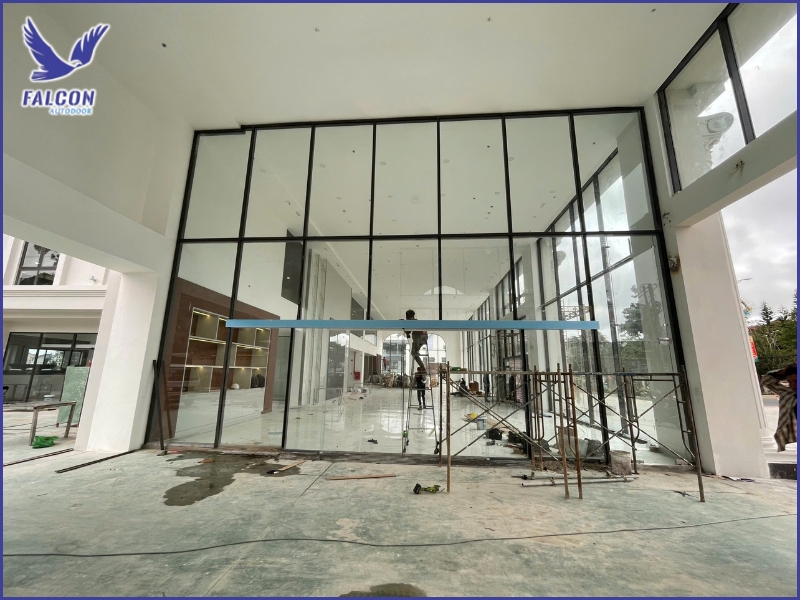
3. Selecting the Right Type of Automatic Door for Each Area
Choosing the appropriate automatic door type for each functional area in multi-storey buildings is essential for ensuring operational efficiency, space optimization, safety, and aesthetic harmony, while meeting specific usage requirements of entrances, offices, and emergency zones.
3.1 Sliding automatic doors for main entrances and high-traffic lobbies
Sliding automatic doors are ideal for main entrances and lobby areas in multi-storey buildings due to their fast operation, space-saving design, and ability to handle high pedestrian traffic efficiently during peak hours and busy periods.
3.2 Swing automatic doors for offices and functional rooms
Swing automatic doors are suitable for office spaces and functional rooms because of their flexible installation, ease of use, and ability to integrate smoothly with interior design while maintaining convenience and operational efficiency.
3.3 Fire-rated automatic doors for safety and evacuation zones
Fire-rated automatic doors are installed in emergency exits and safety corridors to prevent fire spread, ensure safe evacuation routes, and comply with fire safety regulations required for modern multi-storey building structures.
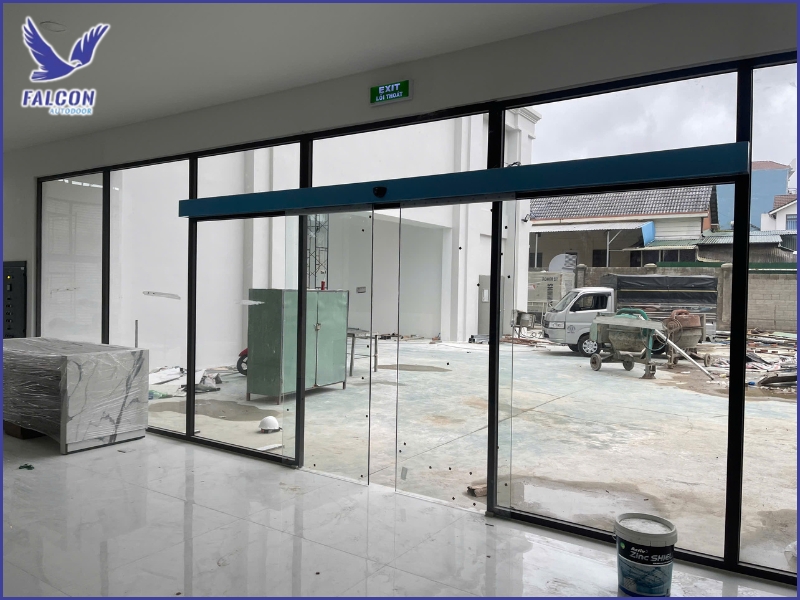
4. Safety and Fire Protection Considerations for Automatic Door Installation
Safety and fire protection are critical factors in automatic door installation for multi-storey buildings, as these systems must ensure user safety, prevent accidents, and support emergency evacuation while maintaining compliance with building safety regulations.
4.1 Integration of anti-collision safety sensors
Safety sensors enable automatic doors to detect obstacles or people during operation and immediately stop or reverse movement, reducing collision risks and ensuring safe passage in high-traffic building environments.
4.2 Connection with fire alarm systems for emergency operation
Automatic doors should be integrated with fire alarm systems to automatically switch to safe or open mode during emergencies, ensuring fast evacuation and minimizing risks in critical situations within multi-storey buildings.
4.3 Ensuring unobstructed emergency exits
Door systems must be designed to avoid blocking evacuation routes and include emergency release mechanisms, allowing safe and easy exit during power failures or emergency situations in compliance with safety standards.
4.4 Backup power supply for emergency situations
Automatic door systems should be equipped with backup power sources such as UPS or batteries to ensure continuous operation or safe mode activation during power outages, maintaining safety and accessibility at all times.
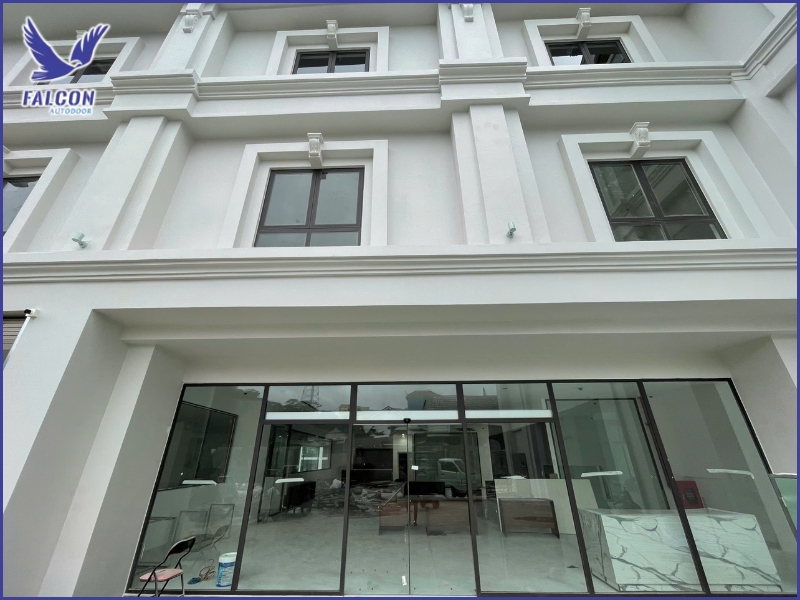
5. Construction, Operation, and Maintenance Considerations
Proper construction, operation, and maintenance procedures are essential to ensure the long-term stability, safety, and efficiency of automatic door systems in multi-storey buildings with high usage demands and continuous operational requirements.
5.1 Site survey and synchronized design from the beginning
A detailed site survey and synchronized design process help determine accurate installation positions, door dimensions, and traffic flow, ensuring seamless integration with the building’s architecture and operational requirements from the early stages.
5.2 Proper installation for long-term durability
Automatic doors must be installed by skilled technicians following technical standards to ensure precise operation, reduce vibration, prevent misalignment, and maintain long-term durability under continuous usage in high-rise environments.
5.3 Regular maintenance based on actual usage frequency
Maintenance schedules should be based on actual usage levels, including cleaning tracks, inspecting sensors, and checking motors to ensure stable operation, prevent failures, and extend the lifespan of the entire system.
5.4 Choosing a reputable installation and maintenance provider
Selecting a trusted installation and maintenance provider ensures high-quality workmanship, timely technical support, and optimized solutions, helping automatic door systems operate safely and efficiently over the long term.
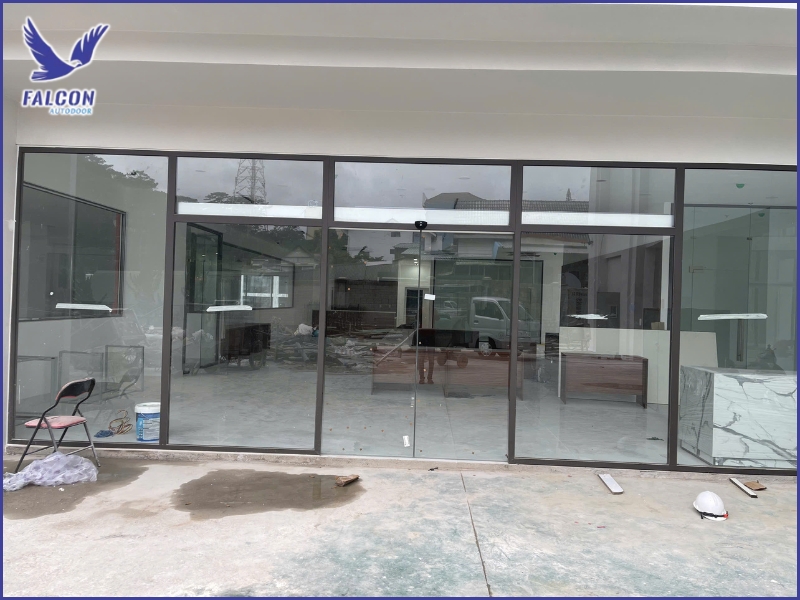
Proper installation of automatic doors in multi-storey buildings requires careful planning from equipment selection and system design to safety compliance, installation, and maintenance to ensure stable, safe, and synchronized operation over time.
If you are looking for suitable automatic door solutions for multi-storey buildings, please contact Thuy Linh Long for detailed consultation, on-site survey, and optimal solutions to ensure safety, aesthetics, and operational efficiency for your project.
THUY LINH LONG SERVICES TRADING COMPANY LIMITED
DISTRIBUTOR
Address: 243D Vuon Lai Street, Phu Tho Hoa Ward, Tan Phu District,
Ho Chi Minh City, Vietnam.
Tel: +84 28 22497999
E-mail: cuatudong24h@gmail.com
SUPPLIER
KUM YANG MATERIALS CO.,LTD
Address: 124-60, Myeongdong-ro, Hallim-myeon,
Gimhae-si, Gyeongsangnam-do, 50851, Korea.
Tel: 82-55-345-8380


