


Integration of automatic doors with access control systems
In modern buildings and workspaces, ensuring secure and convenient access management has become increasingly important. The integration of automatic doors and access control systems not only enhances operational efficiency but also elevates the professional image of an organization. Thuy Linh Long explains why this combined solution is becoming a widely adopted trend.
1. Overview of automatic door systems and access control
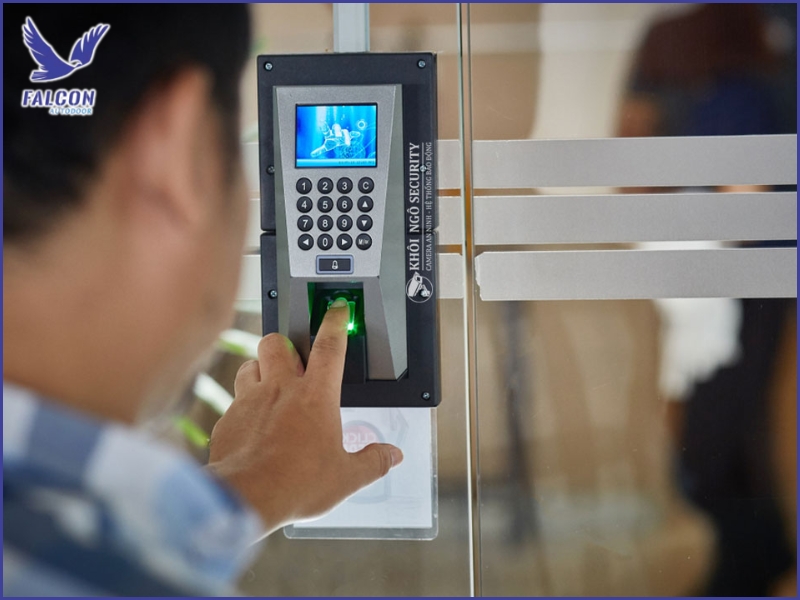
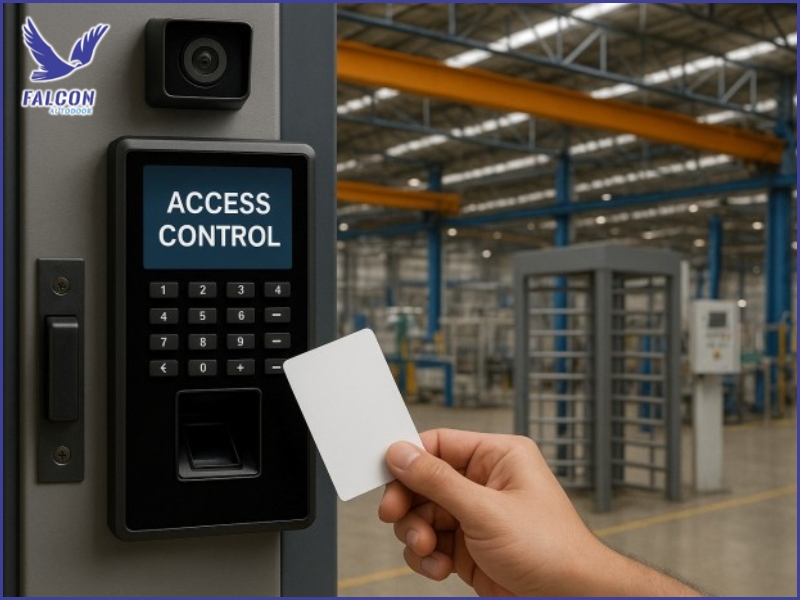
Access control is a system that manages entry permissions, granting or restricting users from entering specific areas through authentication methods such as RFID cards, PIN codes, fingerprints, or facial recognition. When integrated with automatic doors, it not only strengthens security but also enables real-time monitoring of entry data, making building management more efficient. As modern facilities continue to adopt automation and smart security, integrating automatic doors with access control has become essential. This combination provides convenience while ensuring that movement in and out of the building is well-regulated, safe, and professionally managed.
2. Benefits of integrating automatic doors with access control systems
The integration of automatic doors with access control brings multiple practical advantages. It streamlines daily operations, enhances security, and reinforces a professional and modern working environment. As a result, this solution is increasingly preferred in office buildings, business centers, industrial facilities, and smart infrastructure projects.
2.1 Enhanced security and controlled access
When paired with access control, automatic doors only open after valid user authentication is confirmed. Every entry is recorded and stored, allowing administrators to review and track activity if necessary. This significantly reduces the risk of unauthorized access and strengthens the overall security of the facility.
2.2 Optimized operation and reduced staffing requirements
The system operates automatically without the need for doormen or manual verification. The door opens only after successful authentication and closes after the set duration. This reduces staffing costs, speeds up movement through entry points, and minimizes human error in access management.
2.3 Reinforced professional and modern brand image
An automatic entrance integrated with access control creates a sophisticated, organized, and technology-forward environment. For clients, partners, and employees, the seamless and secure operation of the entry system reflects the organization’s professionalism, attention to detail, and forward-thinking approach.
3. Common access control methods
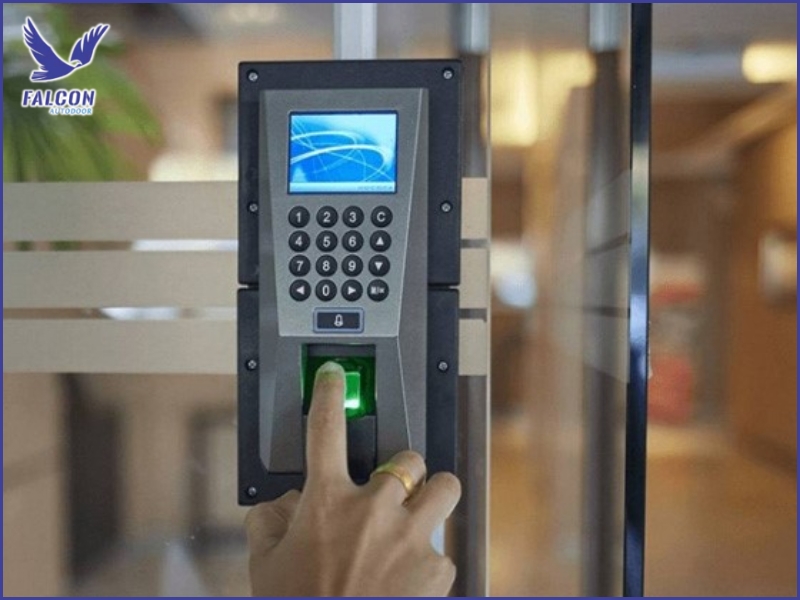
Depending on the building’s security requirements and operational needs, automatic doors can be integrated with various access control methods. Each method offers distinct advantages to ensure convenience, security, and adaptability.
3.1 Card access (RFID or magnetic card)
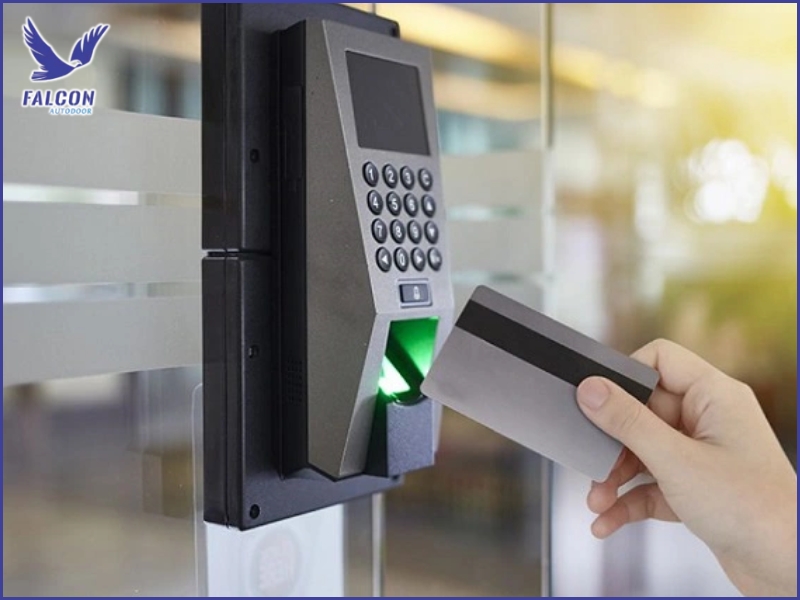
This is the most widely used method, where users authenticate by tapping their card on a reader that signals the control unit to open the door if the card is valid. It is easy to use and cost-efficient, making it suitable for offices and administrative buildings, though cards can be borrowed or duplicated if not strictly managed.
3.2 Biometric access control
This method uses unique biological identifiers such as fingerprints, facial recognition, or iris scanning. It delivers a high level of security and eliminates risks associated with lost cards or unauthorized card sharing. It is ideal for high-security areas such as server rooms, control centers, hospitals, and research facilities, though it requires periodic maintenance and has a higher investment cost.
3.3 PIN code or mobile-based access
Users enter a PIN or use smartphones via IoT, Bluetooth, or Wi-Fi to unlock the door. This system allows remote permission management and temporary guest access. It is suited for smart offices, serviced apartments, and hotels. However, user account and device security must be well protected.
4. How automatic doors operate when integrated with access control
When a user completes authentication (card tap, face scan, fingerprint, or PIN entry), the access control system sends a signal to the automatic door controller. Once confirmed, the door opens and closes automatically after the preset time. All entry data is stored and can be monitored through centralized management software.
5. Real-world applications of integrated automatic doors and access control
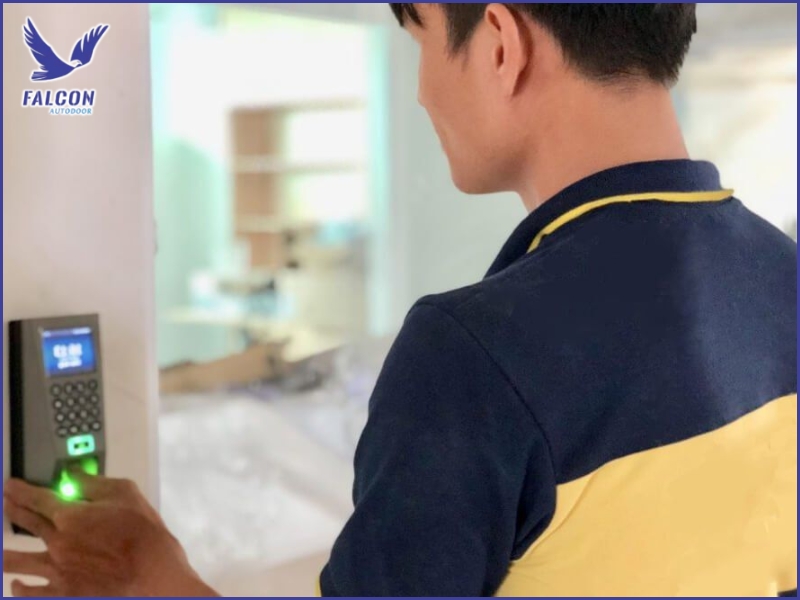
This solution is widely used across various environments due to its ability to enhance security, support structured movement, and improve operational efficiency.
5.1 Office buildings and commercial centers
The system allows access permissions to be assigned to employees, partners, or visitors. All entry logs are synchronized in real time, enabling efficient monitoring and enhanced facility security.
5.2 Factories, industrial parks, and logistics facilities
The system controls the movement of personnel, vehicles, and goods in and out of production zones. Automation reduces manual verification, prevents unauthorized access, and protects equipment and inventory.
5.3 Hospitals, medical facilities, and cleanrooms
In areas requiring sterile conditions and controlled access, the system ensures only authorized medical staff and patients can enter specific zones such as operating rooms, laboratories, and medication storage areas.
5.4 Hotels, resorts, and premium residential buildings
Guest access can be granted through room cards, mobile apps, or biometric recognition. The system integrates with the building’s HVAC and lighting controls to create a unified smart hospitality experience.
Integrated automatic door and access control systems offer both enhanced security and operational efficiency, while also projecting a strong, professional image. Thuy Linh Long is ready to assist you in designing and installing a smart, safe, and modern access management solution tailored to your facility. Contact us today for a detailed consultation and project-specific quotation.
THUY LINH LONG SERVICES TRADING COMPANY LIMITED
DISTRIBUTOR
Address: 243D Vuon Lai Street, Phu Tho Hoa Ward, Tan Phu District,
Ho Chi Minh City, Vietnam.
Tel: +84 28 22497999
E-mail: cuatudong24h@gmail.com
SUPPLIER
KUM YANG MATERIALS CO.,LTD
Address: 124-60, Myeongdong-ro, Hallim-myeon,
Gimhae-si, Gyeongsangnam-do, 50851, Korea.
Tel: 82-55-345-8380


