


Proper maintenance of automatic swing doors for long-term durability
For automatic swing doors to operate stably and remain durable over time, proper maintenance is essential. In the following article, Thuy Linh Long shares key maintenance principles that help automatic swing doors perform efficiently and extend their service life.
1. Why periodic maintenance of automatic swing doors is essential
Automatic swing doors are continuously operating systems that combine mechanical and electronic components, making them susceptible to wear if not regularly inspected and maintained. Periodic maintenance not only ensures stable performance but also plays a vital role in safety and equipment longevity.
1.1 Operating characteristics of automatic swing doors
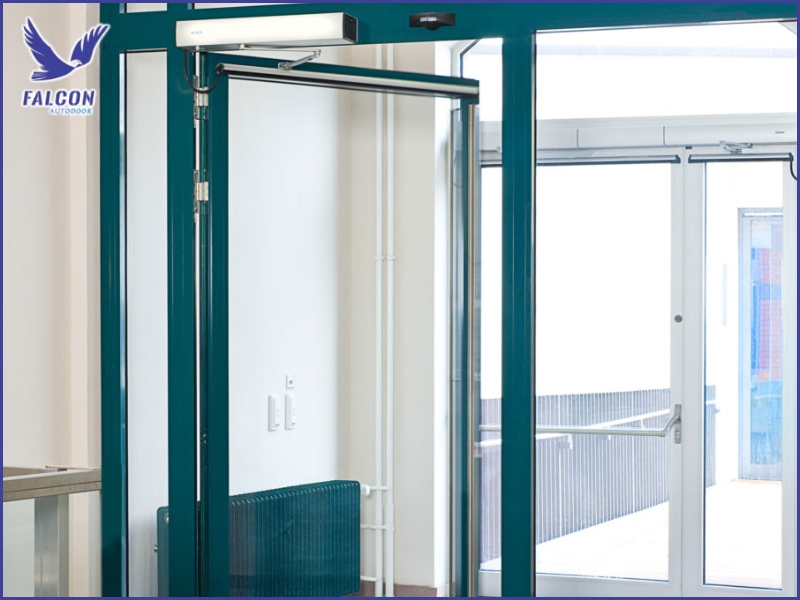
Automatic swing doors rely on motors, swing arms, and sensor systems, all of which are directly affected by opening frequency and surrounding environmental conditions. Each operating cycle generates mechanical force and friction, which can accelerate wear if not properly managed.
1.2 Impact of neglecting maintenance on equipment lifespan
Without regular maintenance, dust and moisture can penetrate motors, sensors, and mechanical components, reducing operational efficiency. Over time, doors may open more slowly, generate excessive noise, or stop functioning unexpectedly, significantly shortening equipment lifespan.
1.3 Benefits of timely and proper maintenance
Proper maintenance helps detect early signs of abnormal operation, allowing timely adjustment or replacement of components when necessary. As a result, automatic swing doors operate smoothly, safely, and reliably while reducing long-term repair costs.
2. Appropriate timing and frequency for automatic swing door maintenance
Automatic swing door maintenance should follow a planned schedule rather than being performed only after failures occur. Identifying the correct timing and frequency ensures stable operation and minimizes unexpected breakdowns.
2.1 Recommended maintenance intervals based on technical standards
According to technical recommendations, automatic swing doors should be maintained every three to six months. This interval ensures that motors, swing arms, and sensors remain in optimal condition and that early signs of wear are addressed promptly.
2.2 Factors that influence maintenance frequency
Maintenance frequency may vary depending on installation environment and usage intensity. In high-traffic areas or environments with high dust levels or humidity, automatic swing doors require more frequent inspection and servicing to prevent accelerated deterioration.
2.3 Signs that indicate earlier maintenance is needed
Indicators that maintenance should be performed sooner include slow door movement, abnormal noise, poor sensor responsiveness, or uneven opening and closing travel. When these signs appear, proactive maintenance helps prevent more serious failures.
3. Key maintenance tasks for automatic swing doors
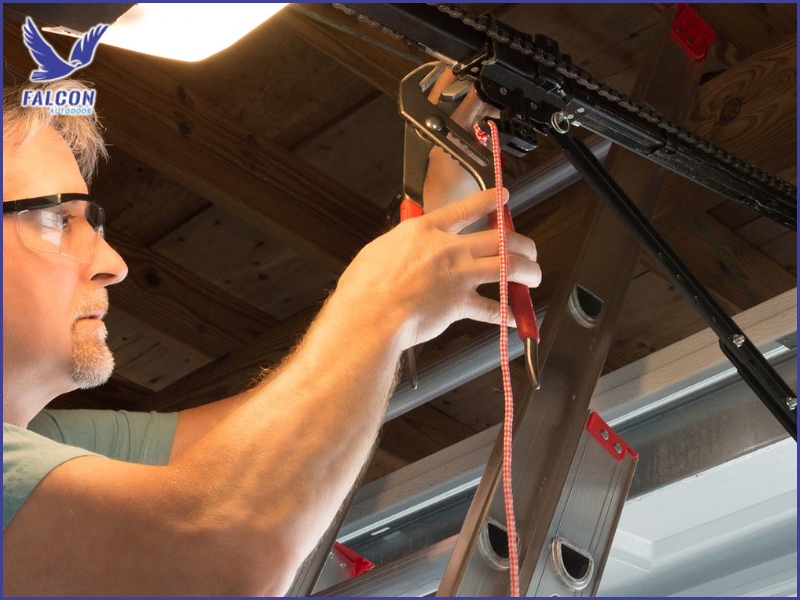
Proper maintenance of automatic swing doors involves more than surface cleaning; it requires comprehensive inspection of critical technical components. Performing all maintenance tasks thoroughly helps ensure stable operation, reduce wear, and minimize operational issues.
3.1 Inspecting the motor and swing arm mechanism
The motor and swing arm bear the primary load during door operation. Maintenance should include checking motor performance, swing arm stability, and connection points to detect looseness, misalignment, or wear that could affect efficiency.
3.2 Cleaning and calibrating the sensor system
Sensors must be kept clean to ensure accurate detection. In addition, sensor angles and sensitivity should be checked and adjusted as needed to prevent delayed response, failure to open, or unintended door movement.
3.3 Checking hinges, door travel, and opening force
Hinges and door travel should be inspected to ensure smooth movement without jamming or collision. Opening and closing force must be calibrated appropriately to maintain user safety while reducing stress on the motor and mechanical components.
3.4 Overall evaluation of door operating performance
After completing maintenance tasks, the door should be tested under real usage conditions to assess smoothness, speed, and stability. This overall evaluation confirms maintenance effectiveness and helps identify any remaining issues requiring further attention.
.jpg)
4. Important considerations for long-term effective maintenance
To achieve sustainable maintenance results, users should follow several important guidelines throughout the door’s operational lifecycle. These practices help minimize errors, ensure safety, and maintain consistent performance over time.
4.1 Common mistakes to avoid during maintenance
Common mistakes include cleaning only external surfaces while neglecting internal components, using inappropriate lubricants or chemicals, or attempting to adjust motors and control systems without proper expertise. Such actions can accelerate wear and cause serious malfunctions.
4.2 When to combine maintenance with in-depth inspection
If the door shows abnormal behavior such as unstable operation, loud noise, or poor sensor response, routine maintenance may be insufficient. In these cases, in-depth inspection is necessary to thoroughly assess system condition and resolve underlying issues.
4.3 Maintaining proper usage habits
Using automatic swing doors according to operating guidelines, avoiding excessive force on the door leaf, and respecting recommended operating frequency help reduce strain on technical components. Proper usage habits are essential for extending service life and maintaining long-term maintenance effectiveness.
.jpg)
Proper maintenance of automatic swing doors is a crucial solution for ensuring stable operation, safety, and long-term durability. With regular inspection and correct care, doors experience fewer malfunctions and maintain consistent performance throughout their service life.
To keep automatic swing doors operating reliably and efficiently, establishing a suitable maintenance plan is essential. Thuy Linh Long is ready to provide consultation and technical support for inspection, servicing, and system evaluation, helping ensure safe and stable operation over time.
THUY LINH LONG SERVICES TRADING COMPANY LIMITED
DISTRIBUTOR
Address: 243D Vuon Lai Street, Phu Tho Hoa Ward, Tan Phu District,
Ho Chi Minh City, Vietnam.
Tel: +84 28 22497999
E-mail: cuatudong24h@gmail.com
SUPPLIER
KUM YANG MATERIALS CO.,LTD
Address: 124-60, Myeongdong-ro, Hallim-myeon,
Gimhae-si, Gyeongsangnam-do, 50851, Korea.
Tel: 82-55-345-8380


