


Quick Checklist for Inspecting Automatic Doors Before Acceptance Handover
Before signing the acceptance of an automatic door system, performing a quick full-system inspection is an essential step to ensure the equipment operates correctly, safely, and in accordance with technical requirements in real-world usage. Let’s explore key inspection items with Thuy Linh Long to avoid post-handover risks.
1. Importance of Inspecting Automatic Doors Before Acceptance
Inspecting automatic doors before acceptance is extremely important to ensure the entire system is installed correctly, operates stably, and fully meets design requirements, thereby minimizing potential issues after the system is officially handed over for use.
1.1 Ensuring the system operates according to technical design
Inspection helps verify that the automatic door system is installed and configured according to initial technical specifications, ensuring accurate opening and closing performance, stable operation, and compliance with project safety standards before handover.
1.2 Reducing risks after system operation begins
Thorough inspection helps detect early issues such as misaligned tracks, faulty sensors, or unstable door speed, allowing timely correction before the system is officially used and preventing long-term operational problems.
1.3 Avoiding repair and adjustment costs after handover
Pre-acceptance inspection helps minimize additional costs related to repairs, disassembly, or system adjustments after handover, while also saving time and ensuring the project is completed on schedule.
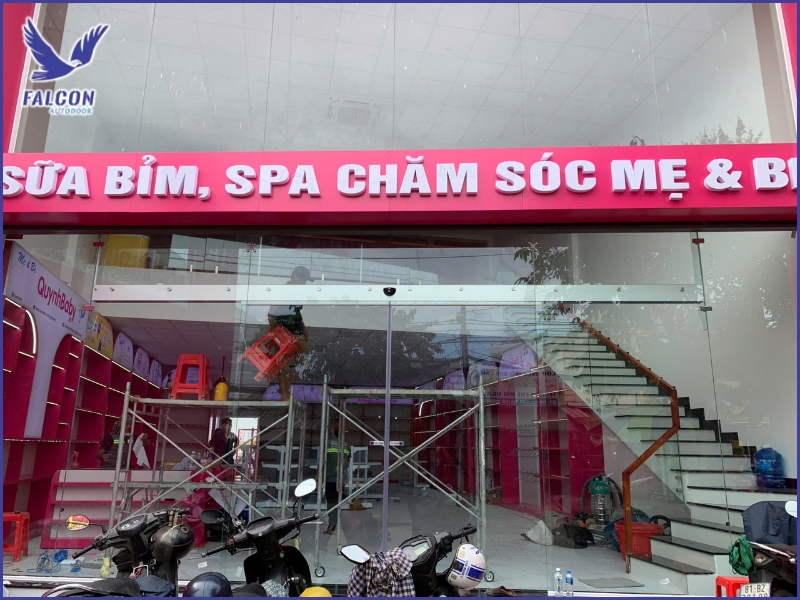
2. Visual Inspection and Overall Installation Quality
Visual inspection and installation quality assessment are the first steps in evaluating the overall completion level of the automatic door system before acceptance, helping identify technical errors, structural stability issues, and aesthetic inconsistencies.
2.1 Door frame, sliding rail, and structural stability
Check the door frame, sliding rail, and load-bearing components to ensure they are correctly installed, firmly fixed, and stable during operation, preventing vibration and ensuring safe performance under continuous use.
2.2 Aesthetic finish and door gap alignment
Evaluate the overall aesthetic quality including surface flatness, door alignment, and side gaps, ensuring the door operates smoothly, closes evenly, and meets the design and architectural standards of the building.
2.3 Checking screws, joints, and fixing points
Inspect all screws, brackets, rail mounts, and mechanical joints to ensure no looseness or installation defects exist, guaranteeing long-term operational stability and safe system performance after acceptance.
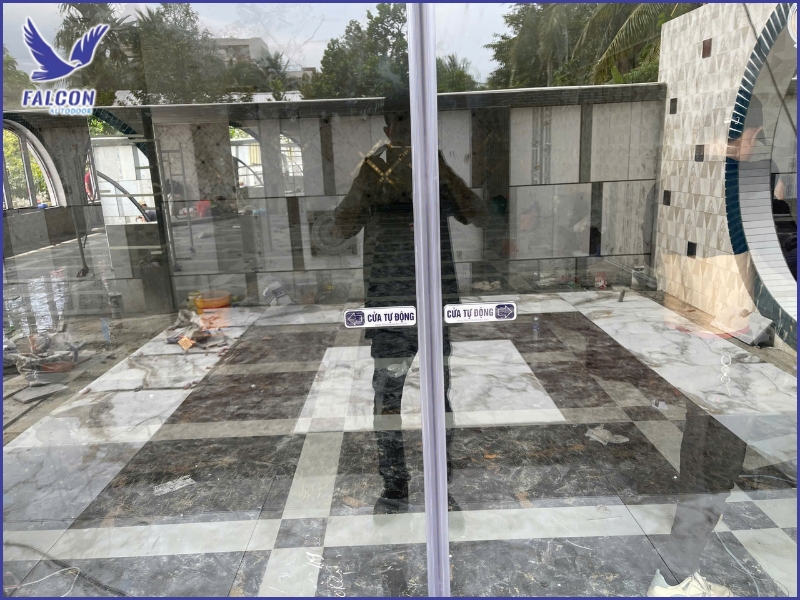
3. Checking Door Opening and Closing Performance
Testing the opening and closing performance is a critical step in evaluating the real operational efficiency of the automatic door before acceptance, ensuring smooth, stable, and reliable daily operation.
3.1 Stability of opening and closing speed
Observe multiple opening and closing cycles to ensure stable speed performance without sudden acceleration, delay, or inconsistency, helping verify the accuracy of the motor and control system.
3.2 Smoothness and noise level during operation
Pay attention to smoothness and noise levels during operation, ensuring the door runs quietly without grinding, vibration, or impact noise, which reflects the quality of mechanical installation and rail condition.
3.3 Full travel and correct stopping position
Check whether the door fully opens and closes and stops at the correct programmed positions, avoiding misalignment or incomplete closure to ensure proper functionality and safety compliance.
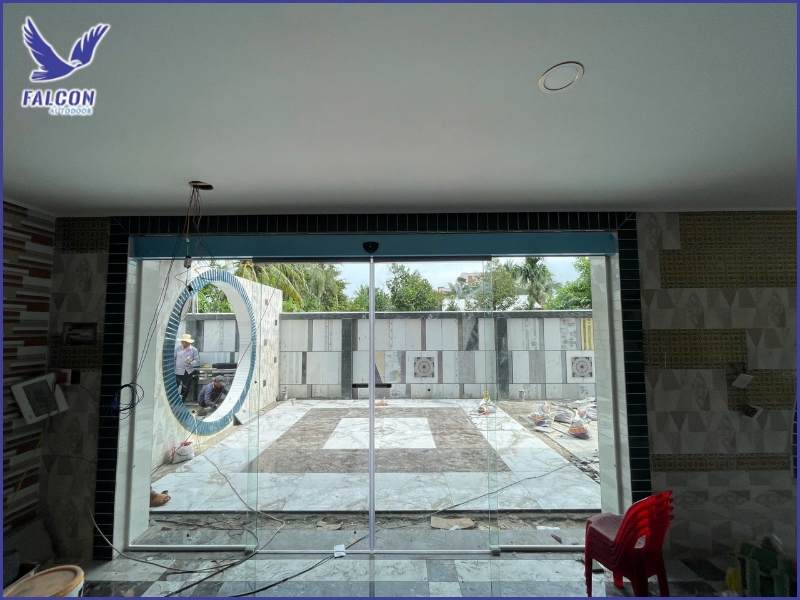
4. Sensor and Safety System Inspection
The sensor and safety system is a critical component that determines user safety during operation, so it must be carefully tested before acceptance to ensure accurate detection and reliable response in real usage conditions.
4.1 Detection of people and obstacles
Test the system by moving through the sensor zone to evaluate detection accuracy, ensuring the door responds quickly and correctly without missing or falsely triggering during operation.
4.2 Reverse function when encountering obstacles
Check safety functionality by placing an obstacle in the closing path to verify whether the door stops or reverses automatically, ensuring user protection and collision prevention during operation.
4.3 Sensitivity in real-world conditions
Evaluate sensor sensitivity under different scenarios such as fast walking, slow movement, or multiple people passing, ensuring stable detection and consistent safety performance in various environments.
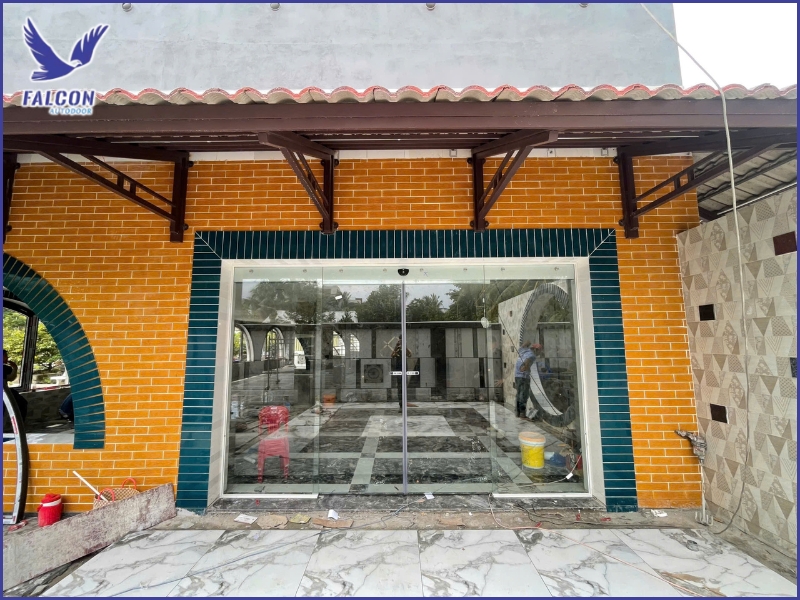
5. Electrical and Control System Inspection Before Handover
The electrical and control system is the core of automatic door operation, so it must be thoroughly checked before acceptance to ensure stable performance, accurate response, and reliable operation in real-world conditions.
5.1 Power supply stability and system performance
Check the power supply to ensure stable voltage without fluctuation or overload, while monitoring continuous operation to evaluate motor durability and controller stability under real working conditions.
5.2 Remote control, push buttons, and control systems
Test all control devices such as remote controls, push buttons, switches, or centralized systems to ensure accurate signal transmission, fast response, and no command errors during operation.
5.3 Emergency operation during power failure or faults
Check emergency operation modes including manual opening or backup power systems to ensure the door remains functional or safely accessible during power outages or system failures.
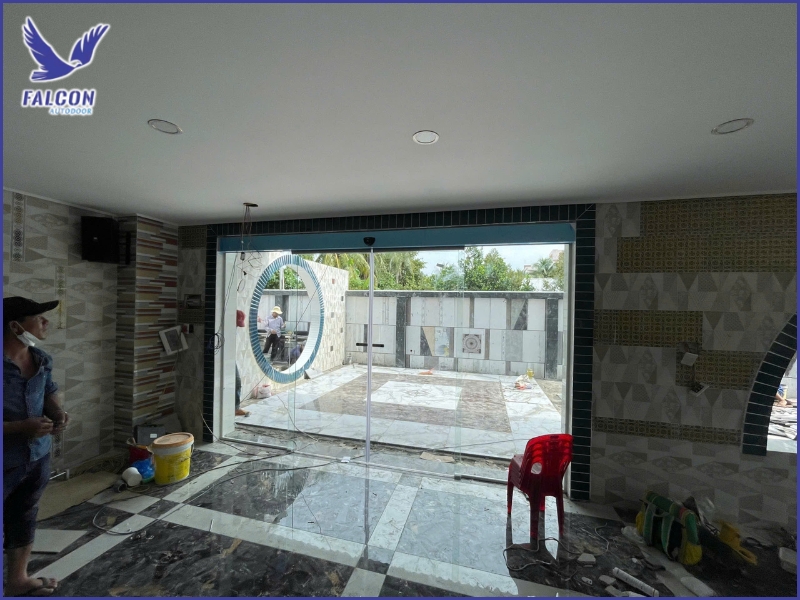
Proper quick inspection of automatic doors before acceptance is essential to detect technical issues early, ensure stable and safe operation, and confirm compliance with design requirements before real-world use, minimizing risks and repair costs after handover.
If you are looking for professional automatic door installation consultation, please contact Thuy Linh Long for fast technical support and reliable solutions, ensuring safe, stable, and standard-compliant operation before system deployment.
THUY LINH LONG SERVICES TRADING COMPANY LIMITED
DISTRIBUTOR
Address: 243D Vuon Lai Street, Phu Tho Hoa Ward, Tan Phu District,
Ho Chi Minh City, Vietnam.
Tel: +84 28 22497999
E-mail: cuatudong24h@gmail.com
SUPPLIER
KUM YANG MATERIALS CO.,LTD
Address: 124-60, Myeongdong-ro, Hallim-myeon,
Gimhae-si, Gyeongsangnam-do, 50851, Korea.
Tel: 82-55-345-8380


