


Usage Habits That Cause Automatic Doors to Wear Out Faster Without You Realizing
Many people believe that the primary reason automatic doors wear out quickly is poor equipment quality. In reality, everyday usage habits are often the hidden cause of reduced system lifespan. Let's explore the seemingly harmless habits that can accelerate wear and tear on automatic doors and learn the proper ways to use them for reliable, long-term performance.
1. Everyday Habits That Reduce the Lifespan of Automatic Doors
Automatic doors are engineered to operate within specific technical parameters and operating conditions. Improper usage habits, whether repeated frequently or occurring only occasionally, can increase component wear, reduce operating efficiency, and significantly shorten the lifespan of the entire automatic door system.
1.1 Pulling or pushing the door while it is operating
Many users instinctively pull or push the door panels to pass through more quickly. However, this creates reverse force on the drive mechanism, which may cause the guide rail to become misaligned, accelerate roller wear, and reduce the motor's operating accuracy and overall reliability.
1.2 Blocking the door open with objects
Placing boxes, carts, or other objects in the doorway to keep the door open forces the motor and sensors to remain active longer than intended. This increases the workload on the control system and accelerates wear on key mechanical and electronic components.
1.3 Operating the door beyond its designed duty cycle
In high-traffic areas, using a door that is not designed for continuous operation or allowing it to run for extended periods can cause the motor, drive belt, and transmission components to overheat, reducing efficiency and shortening the system's service life.
1.4 Applying excessive force to the door panels
Leaning against the door, striking it, or allowing carts to hit the panels not only affects the door's appearance but may also deform the frame, guide rails, and rollers, reducing the stability and smoothness of the opening and closing process.
1.5 Ignoring early warning signs of malfunction
When an automatic door begins making unusual noises, opening or closing slowly, vibrating excessively, or displaying error messages, many users continue using it without inspection. Minor issues can quickly develop into major failures, resulting in higher repair costs and reduced system lifespan.
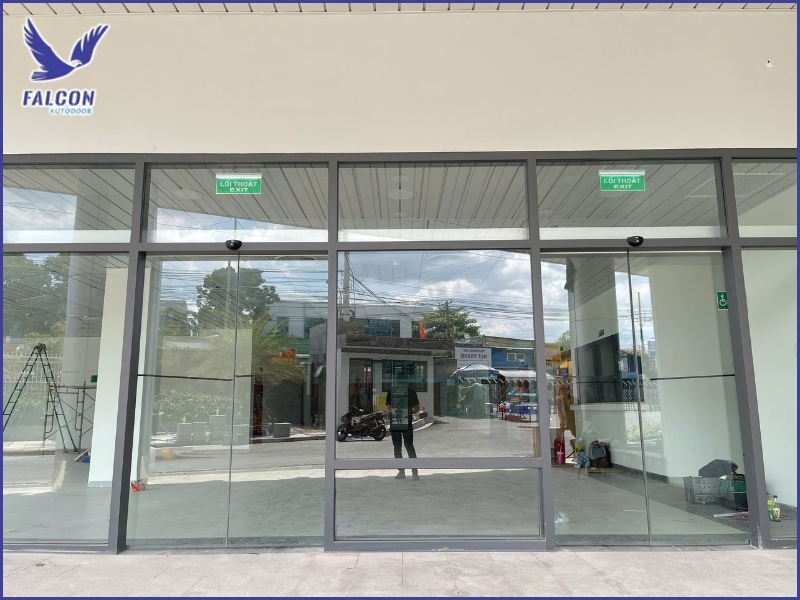
2. Why Can Small Habits Lead to Major Damage?
Seemingly insignificant habits can place continuous stress on the mechanical and electronic components of an automatic door. When these actions are repeated over time, they accelerate wear, increase the likelihood of system failures, and significantly reduce both operational efficiency and service life.
2.1 Increasing the load on the motor and drive system
Every time the door is manually pulled, pushed, or forced to operate beyond its designed capacity, the motor and transmission system experience greater mechanical stress, increasing friction, generating additional heat, and accelerating component wear.
2.2 Causing sensors and the control system to malfunction
Frequently blocking the doorway, standing in the sensor detection area for extended periods, or placing objects within the detection zone may cause the sensors to continuously send signals to the controller, leading to unnecessary processing and reduced operating stability.
2.3 Accelerating wear of mechanical components
Repeated mechanical impacts, forced door movement, or improper operation place excessive stress on guide rails, rollers, drive belts, and connecting components, causing premature wear, reduced efficiency, and a shorter service life.
2.4 Increasing repair costs and operational downtime
When small issues are left unresolved or the door continues operating despite abnormal behavior, damage can spread to additional components. This leads to higher repair costs, longer downtime, and disruptions to normal building operations.
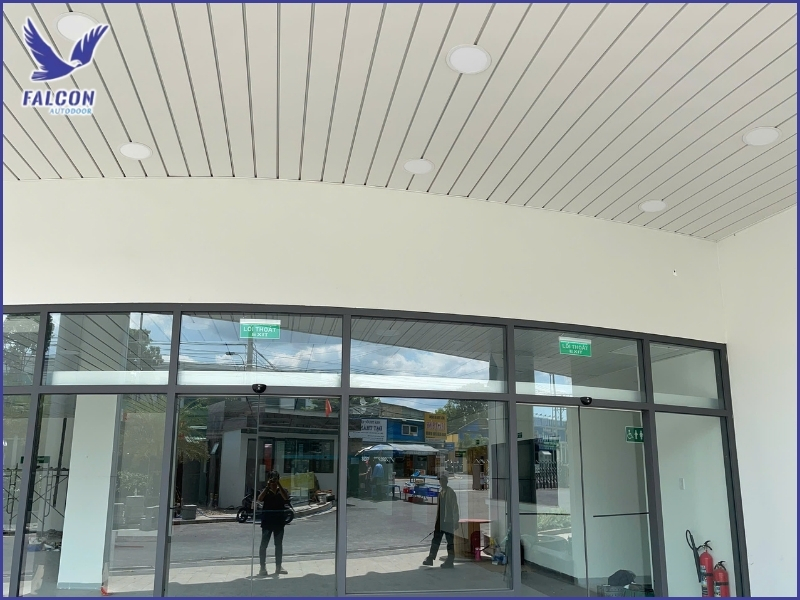
3. Best Practices for Extending the Lifespan of Automatic Doors
In addition to selecting high-quality equipment, developing proper operating habits is one of the most effective ways to ensure stable performance, minimize failures, extend equipment lifespan, and significantly reduce maintenance and replacement costs over time.
3.1 Follow the manufacturer's operating instructions
Allow the door to function entirely through its automatic operating mechanism. Avoid manually pushing or pulling the door while it is moving, and always follow the manufacturer's guidelines to minimize unnecessary stress on the motor, guide rails, and drive components.
3.2 Keep the doorway clean and unobstructed
Regularly clean the guide rails, sensors, and surrounding entrance area to remove dust, leaves, and other debris that could interfere with sensor performance. A clean operating environment allows the door to move more smoothly and consistently.
3.3 Perform routine maintenance as recommended
Scheduled maintenance helps identify early signs of wear in the motor, rollers, drive belt, sensors, and control unit, allowing timely adjustments or replacements that maintain optimal performance, extend equipment life, and reduce unexpected breakdowns.
3.4 Respond promptly to unusual operating conditions
If the door begins making unusual noises, vibrating excessively, moving slowly, or displaying fault indicators, users should arrange for professional inspection immediately instead of continuing to operate the system. Early intervention helps prevent more extensive damage and lowers repair costs.
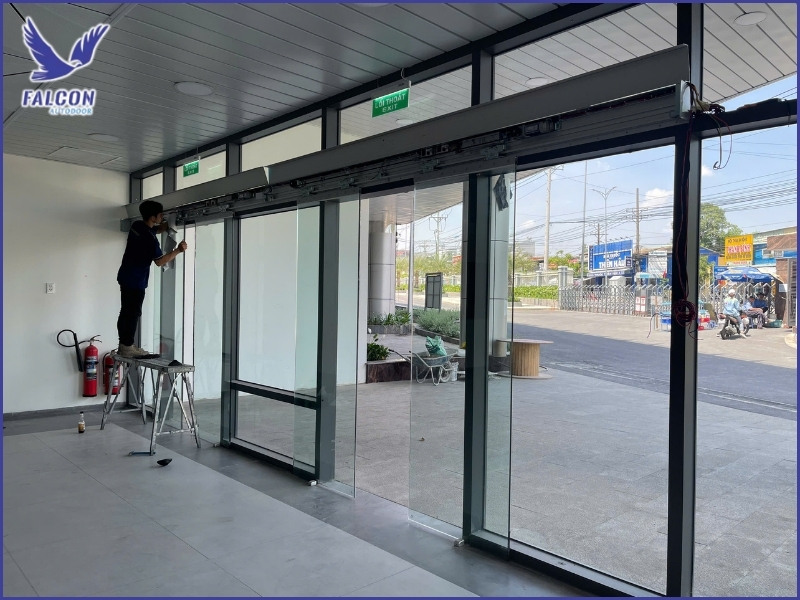
4. Additional Tips for Long-Lasting Automatic Door Performance
Besides proper daily operation, users should also pay attention to equipment selection, environmental conditions, and preventive maintenance planning. These factors help maintain stable performance, reduce wear, and maximize the service life of the automatic door system.
4.1 Choose the right door for the expected usage frequency
Each automatic door model is designed for a specific operating capacity and traffic volume. Selecting a system that matches the building's requirements helps ensure the door operates within its intended limits, reducing stress on the motor and other critical components.
4.2 Minimize environmental and electrical impacts
Protect the automatic door from excessive dust, rain, humidity, and prolonged exposure to direct sunlight. A stable electrical supply and surge protection devices can also help safeguard the motor and electronic control board from power-related damage.
4.3 Replace worn components at the right time
Components such as rollers, drive belts, sensors, and rubber seals should be inspected regularly and replaced when signs of wear appear. Timely replacement helps maintain system performance and prevents damage from spreading to other parts of the door.
4.4 Establish proper usage habits for all building occupants
In facilities such as offices, hospitals, shopping malls, and factories where many people use the automatic door every day, educating users not to force the door, lean against it, or block it with objects can significantly reduce wear, minimize breakdowns, and extend the lifespan of the entire system.
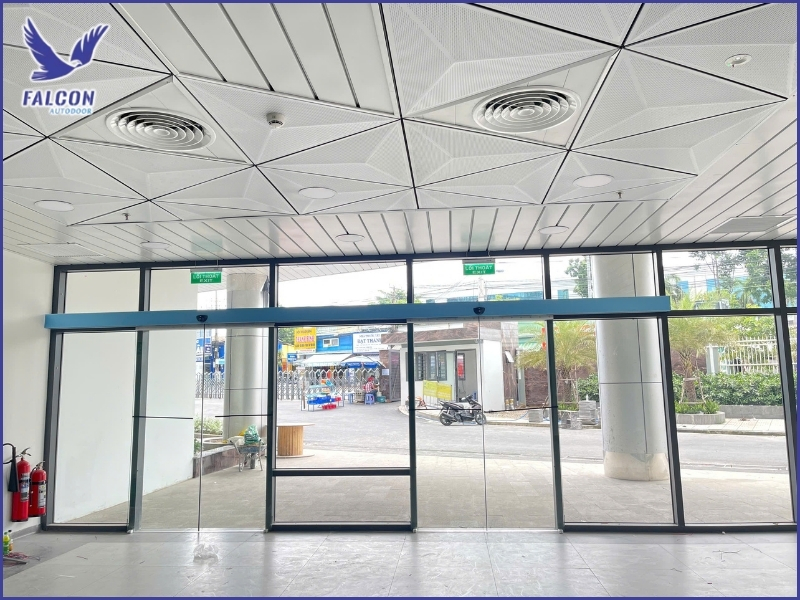
Small daily habits can have a major impact on the performance and longevity of an automatic door system. By operating the door correctly, performing regular maintenance, and addressing abnormal signs promptly, users can ensure reliable, safe, and long-lasting operation for years to come.
If you need professional advice on the proper use, maintenance, or inspection of your automatic door system, contact Thuy Linh Long. Our experienced technical team is ready to help keep your system operating reliably, extend its service life, and optimize long-term maintenance costs.
THUY LINH LONG SERVICES TRADING COMPANY LIMITED
DISTRIBUTOR
Address: 243D Vuon Lai Street, Phu Tho Hoa Ward, Tan Phu District,
Ho Chi Minh City, Vietnam.
Tel: +84 28 22497999
E-mail: cuatudong24h@gmail.com
SUPPLIER
KUM YANG MATERIALS CO.,LTD
Address: 124-60, Myeongdong-ro, Hallim-myeon,
Gimhae-si, Gyeongsangnam-do, 50851, Korea.
Tel: 82-55-345-8380


