


What Criteria Should Be Used to Evaluate the Performance of an Automatic Door After One Year of Use?
Evaluating the performance of an automatic door after one year of use helps building owners determine whether the system still meets operational requirements or has begun to show signs of deterioration. Let’s explore with Thuy Linh Long the key criteria for assessing stability, safety, costs, and the actual user experience.
1. Evaluate the Operation and Stability of the Automatic Door
After one year of use, operational performance is one of the most important criteria for determining whether an automatic door is still working effectively, including its opening and closing speed, smoothness, frequency of faults, and ability to maintain performance when operating at high intensity.
1.1 Is the Opening and Closing Speed Still Appropriate?
The actual opening and closing speed should be checked against current usage requirements, as a door that operates too slowly can cause congestion in high-traffic areas, while abnormal or inconsistent speed changes may indicate that the system needs to be inspected and adjusted.
1.2 Does the Door Still Operate Smoothly and Follow the Correct Travel Path?
After extended operation, it is important to observe whether the door panels still move smoothly, with minimal vibration, and stop in the correct positions, as unusual noise, jerky movement, or panels moving outside their intended travel path may be related to the track, rollers, motor, or other moving components that have become worn.
1.3 How Frequently Do Faults Occur During Use?
The number of faults occurring over a one-year period provides a practical basis for evaluating system stability, because if the door frequently fails to open or close, sensors respond slowly, or the equipment needs to be restarted, the underlying cause should be identified rather than simply addressing each individual fault.
1.4 Can the Door Operate Reliably During Peak Hours?
For buildings with high pedestrian traffic, the door’s ability to maintain performance during the busiest periods should be evaluated, as a system that operates well when traffic is low does not fully demonstrate its actual effectiveness if it frequently slows down, stops, or responds inconsistently during peak hours.
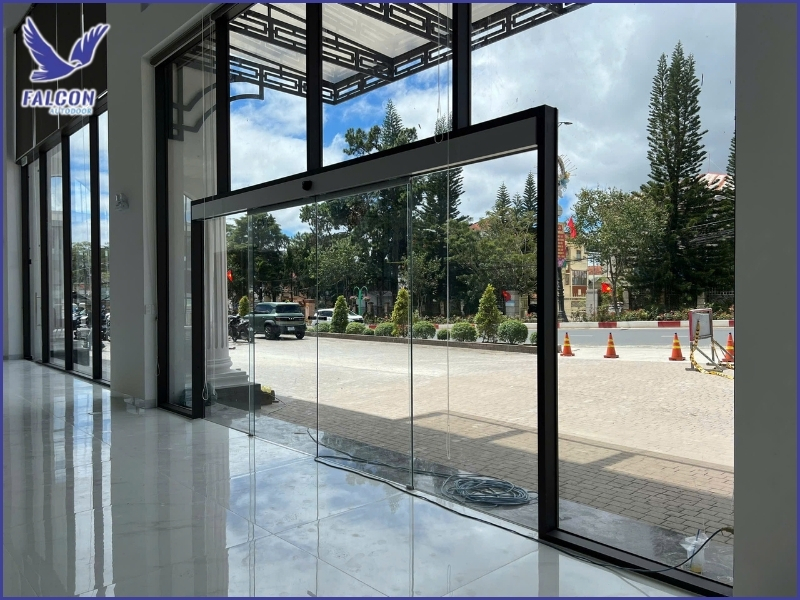
2. Check the Safety Level and System Response
After one year of operation, an automatic door should be inspected again for its detection and response capabilities to ensure that the system continues to operate safely in various real-world situations, especially when people are passing through, obstacles appear, or the power supply experiences a failure.
2.1 Ability to Detect Passing Users
The sensors should be checked to determine whether they still detect users as quickly and accurately as they did when the system was newly installed, as dust accumulation, sensor misalignment, or reduced performance can cause the door to open slowly, fail to open at the appropriate time, or remain open unnecessarily.
2.2 Sensor Response When an Obstacle Is Present
Obstacle detection is an important criterion for evaluating the safety of an automatic door after long-term use, so the system should be tested when a person or object is within the closing area to ensure that the door can stop or change its operating state appropriately.
2.3 Opening and Closing Accuracy
The door panels should follow the correct travel path, stop at the correct positions, and avoid abnormal collisions during operation, as misaligned closing, excessive closing force, or incomplete closing may indicate that the sensors, controller, or mechanical components need to be inspected and adjusted.
2.4 Response to Power Failure or Abnormal Situations
After one year of use, building owners should also check how the door operates during a power outage or other abnormal situations, thereby determining whether the system can switch to an appropriate state and ensure that users can still enter and exit safely when the power supply or control equipment encounters a problem.
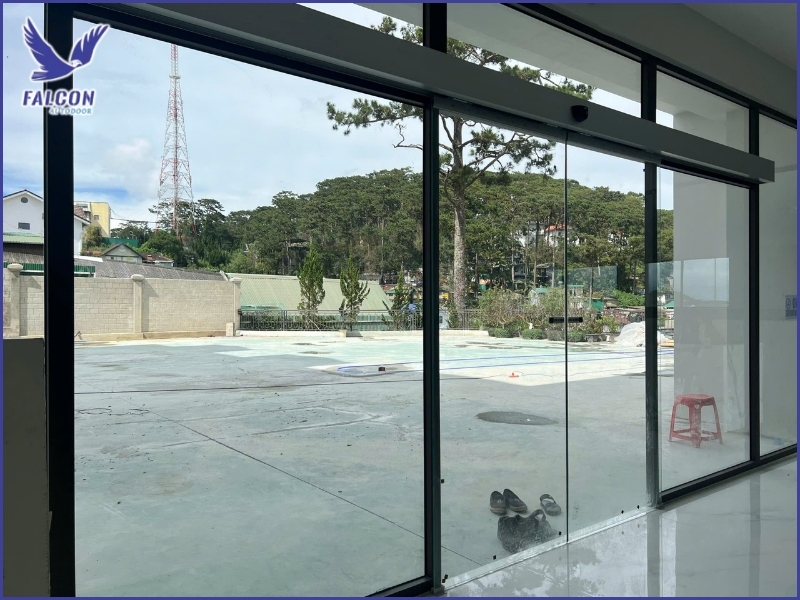
3. Evaluate Equipment Condition and Operating Costs After One Year
After one year of use, evaluating the condition of individual components and total operating costs helps building owners determine the actual level of wear on the automatic door while providing a basis for planning maintenance, repairs, or component replacement before major problems occur.
3.1 Wear Level of the Motor and Moving Components
The motor, rollers, drive belt, and other moving components operate continuously throughout the door’s service life and therefore need to be inspected for wear after one year, especially when the door has a high opening and closing frequency, as unusual heat, noise, or irregular movement may indicate excessive system load or deteriorating components.
3.2 Condition of the Track, Rollers, and Door Panels
The track and rollers directly affect the smoothness, quietness, and accuracy of door movement, so they should be checked for excessive dust, deformation, or misalignment, while the door panels should also be inspected for sagging, misalignment, or failure to close completely as they did when initially installed.
3.3 Maintenance and Repair Costs Incurred
Total maintenance, repair, and component replacement costs over one year provide a useful basis for evaluating the system’s investment efficiency, as frequent faults and high repair expenses may indicate that the building owner should reassess the current configuration, operating practices, or maintenance plan.
3.4 Availability and Replaceability of Components
After one year of use, the availability and replaceability of important components should be checked, as a system with compatible components, a stable supply, and convenient repair options can reduce downtime while supporting reliable operation in the following years.
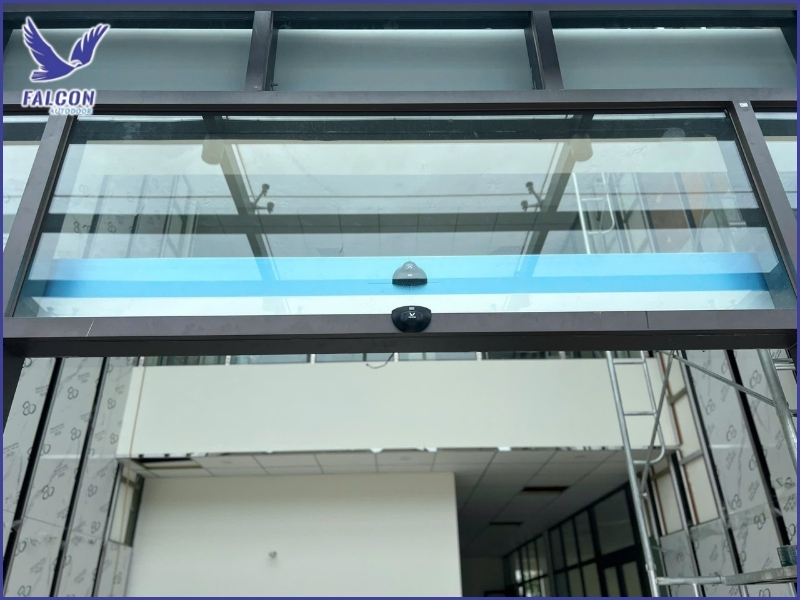
4. Evaluate the Actual User Experience and Long-Term Efficiency
After one year of operation, the user experience is a practical measure of whether the automatic door remains suitable for the building, from the convenience of entering and exiting to its ability to handle actual pedestrian traffic and current operational requirements.
4.1 Convenience for Users
An automatic door should provide a convenient experience when entering and exiting, from quick detection and timely opening and closing to smooth movement without interruptions, as recurring inconveniences such as slow opening, long waiting times, or frequent faults can directly affect the user experience.
4.2 Ability to Handle Actual Pedestrian Traffic
After one year, pedestrian traffic may have changed compared with the original design conditions, so the door’s ability to handle peak periods should be evaluated to determine whether it opens continuously, responds slowly, or causes congestion, thereby establishing whether the current system still meets actual requirements effectively.
4.3 Suitability for the Building’s Current Requirements
The effectiveness of an automatic door should not be evaluated solely by whether the equipment is still functioning but also by whether it continues to meet the building’s intended purpose, as changes in the number of users, area functions, or access control requirements may make the original configuration and operating parameters less than optimal.
4.4 When Should the System Be Maintained, Adjusted, or Upgraded?
If the door is still operating reliably but shows signs of wear or no longer fully meets current requirements, building owners can consider maintenance and adjustments before serious faults occur, while systems that frequently experience problems or are no longer suitable for the building’s function should be evaluated for potential upgrades to maintain long-term efficiency.
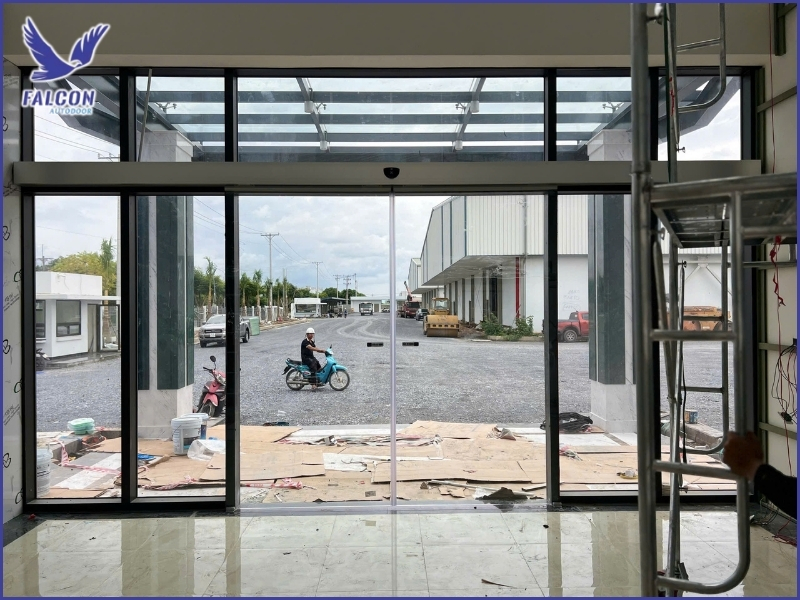
Evaluating an automatic door after one year of use should not be based solely on whether the door is still functioning. Instead, it should consider overall stability, safety, equipment condition, operating costs, and the actual user experience. Regular inspections allow building owners to make timely adjustments, perform maintenance, or upgrade the system so that it can continue operating effectively over the long term.
If you need to have your automatic door inspected after a period of use, contact Thuy Linh Long for advice on an appropriate evaluation, maintenance, and system adjustment solution based on your building’s actual requirements.
THUY LINH LONG SERVICES TRADING COMPANY LIMITED
DISTRIBUTOR
Address: 243D Vuon Lai Street, Phu Tho Hoa Ward, Tan Phu District,
Ho Chi Minh City, Vietnam.
Tel: +84 28 22497999
E-mail: cuatudong24h@gmail.com
SUPPLIER
KUM YANG MATERIALS CO.,LTD
Address: 124-60, Myeongdong-ro, Hallim-myeon,
Gimhae-si, Gyeongsangnam-do, 50851, Korea.
Tel: 82-55-345-8380


