


Why Does the Same Automatic Door System Provide Different User Experiences Across Different Buildings?
The same automatic door system can provide different user experiences across different buildings because installation conditions, operating frequency, and system settings are not exactly the same. Let’s explore with Thuy Linh Long the factors that create these differences and how to maintain stable and safe door operation.
1. Building Conditions Directly Affect the Automatic Door Experience
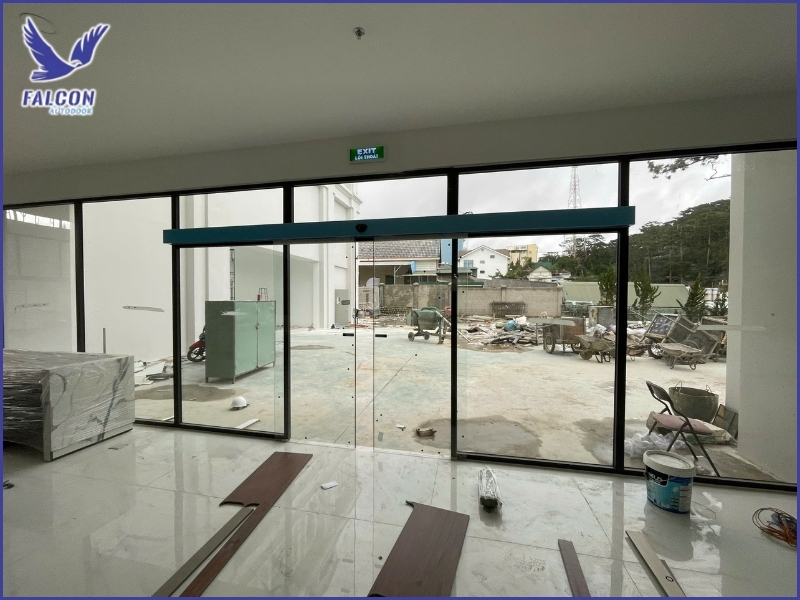
The same automatic door system can have different closing and opening speeds, user detection capabilities, and operational stability when installed in buildings with different conditions, as the environment and usage requirements directly affect equipment performance.
1.1 Pedestrian Traffic and Opening Frequency
An automatic door in an office with limited foot traffic will operate differently from one installed in a shopping mall, hospital, or store with continuous pedestrian movement, as frequent opening and closing requires the motor and mechanical components to work more intensively, affecting stability and the overall user experience if the configuration is not properly adjusted.
1.2 Installation Space and Door Area Structure
The width of the passageway, door panel dimensions, floor levelness, and structural conditions of the installation area can create significant differences during operation, as even slight door misalignment, an unbalanced track, or limited technical space can cause noise, vibration, or unexpected opening and closing behavior.
1.3 Environment, Temperature, Humidity, and Dust
Environmental conditions are another factor often overlooked when evaluating the user experience of automatic doors, as doors installed in dusty areas, high-humidity environments, locations frequently exposed to sunlight and rain, or areas with significant temperature fluctuations require different levels of protection and maintenance compared with systems operating in dry environments with fewer external impacts.
2. Installation and Settings Determine Operational Performance
Even when the same automatic door system is used, installation quality and parameter settings can create significant differences between buildings because the system needs to be calibrated according to door panel dimensions, load, actual space, and pedestrian traffic.
2.1 Installation Accuracy
Components such as the track, motor, door panels, and drive mechanism need to be installed in the correct positions and precisely calibrated to minimize friction, vibration, and misalignment during operation, as even a small installation error can make the door work harder and affect the durability of the entire system.
2.2 Appropriate Opening and Closing Speed
The door speed should be adjusted according to the characteristics of each building rather than using one fixed setting for every space, as doors in crowded areas need to support fast pedestrian flow, while locations with children, elderly users, or higher safety requirements should prioritize controlled and stable movement.
2.3 Adjusting Sensors According to Actual Usage
Sensors need to be positioned and configured with a detection area that matches the movement patterns of users, avoiding situations where the detection range is too wide and causes the door to open continuously or too narrow and causes slow responses, which can create an inconvenient experience even when the motor and door mechanism are functioning normally.
2.4 Calibrating the Door Panels and Sliding Track
The door panels need to move smoothly, follow the correct travel path, and remain unobstructed throughout the opening and closing process, so proper calibration of the track, rollers, and door panel position plays an important role in creating smooth movement, reducing the load on the motor, and maintaining a stable user experience over the long term.
3. Usage Habits and Maintenance Create Differences
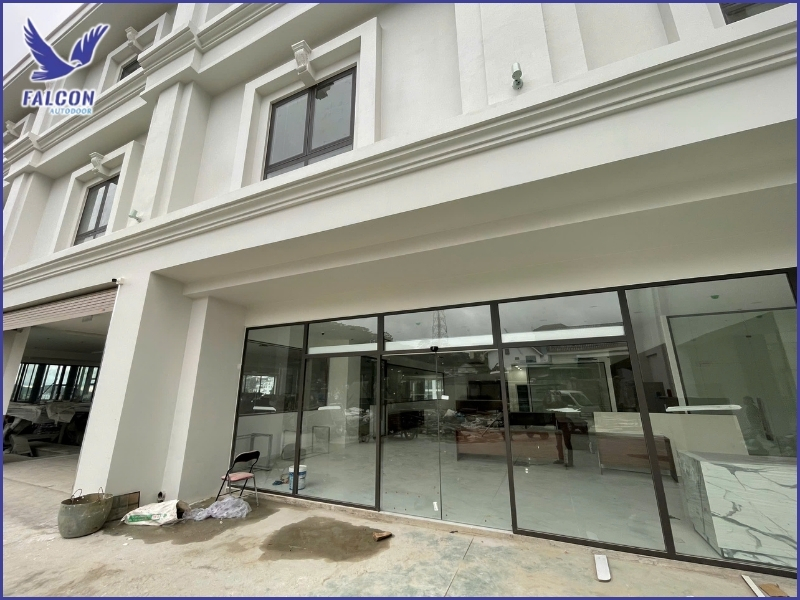
The way users interact with the door and the level of care provided during operation can cause the same automatic door system to deteriorate at different rates, as repeated daily impacts and untimely maintenance can affect the motor, sensors, tracks, and moving components.
3.1 Habits That Cause Automatic Doors to Deteriorate Faster
Intentionally holding the door panels, pulling or pushing the doors manually while the system is operating, standing in the sensor detection area, or applying excessive force to the door panels can increase the load on mechanical components, making the door less smooth and reducing the system’s service life if these habits occur frequently.
3.2 Regular Cleaning and Maintenance
Dust and dirt accumulating on the track, rollers, or sensor area can affect door movement and detection performance, so proper cleaning and regular inspections are necessary to identify abnormal signs early while preventing the equipment from operating under excessive friction or unsuitable load conditions.
3.3 Addressing Abnormal Signs Early
Symptoms such as slow opening and closing, unusual noise, vibration, stopping midway, or unstable sensor responses are often signs that the system needs to be inspected, as early intervention can prevent faults from spreading and avoid allowing a minor issue to affect multiple other components of the door.
4. How Can You Maintain a Stable Automatic Door Experience?
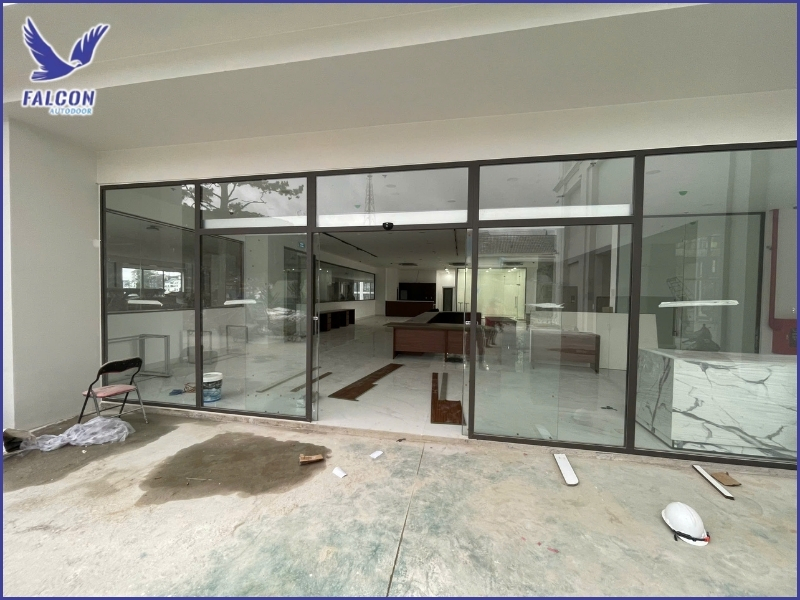
To keep automatic doors operating smoothly, responsively, and safely, buildings need to combine appropriate system configuration, thorough post-installation inspection, and regular maintenance, while also proactively adjusting the system when pedestrian traffic or usage purposes change.
4.1 Choose the Right Configuration from the Beginning
The selection of the motor, sensors, track, and door panel dimensions should be based on the actual conditions of each building rather than simply referring to a standard configuration, as a properly selected system from the beginning can reduce operational stress, minimize faults, and provide a more stable user experience over the long term.
4.2 Inspect the Door After Installation Is Completed
After installation is completed, the entire opening and closing process, sensor detection capability, door panel balance, operating speed, and response to obstacles should be checked carefully, allowing installation or configuration errors to be identified and corrected before handover and regular use.
4.3 Establish a Long-Term Maintenance Plan
Regular maintenance helps identify early signs of wear, dust accumulation, or misalignment in important components, thereby maintaining stable operation and reducing unexpected failures, especially in buildings with high opening and closing frequency or requirements for continuous door operation.
4.4 Adjust the System When Usage Requirements Change
When a building changes its function, pedestrian traffic increases, or additional access control requirements are introduced around the entrance, operating parameters should also be reviewed and adjusted accordingly, as a configuration that previously worked well may no longer deliver optimal performance when usage conditions have changed.
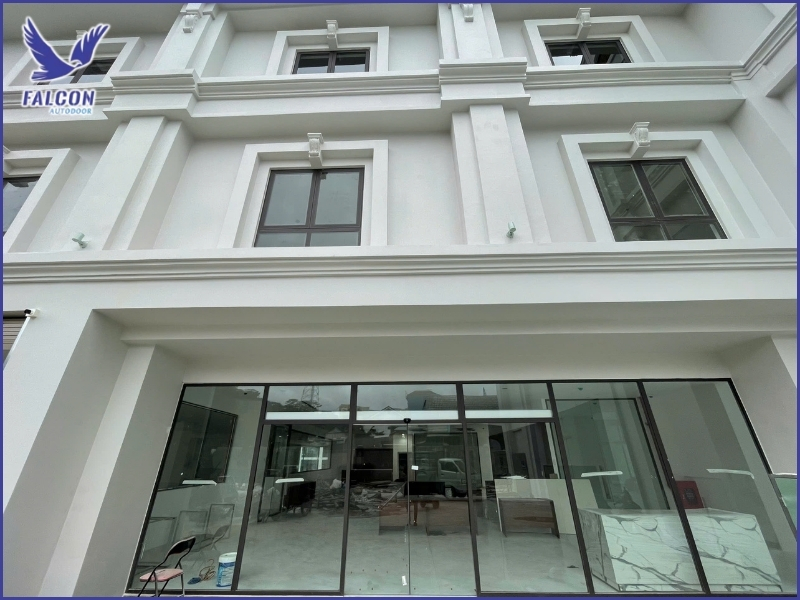
The same automatic door system can provide different user experiences across different buildings because installation conditions, settings, operating frequency, and maintenance practices are not identical. By evaluating all of these factors, building owners can select the appropriate configuration and maintain stable and safe system operation over the long term.
If you need advice on an automatic door solution suited to your building’s specific characteristics, contact Thuy Linh Long for support in selecting the appropriate configuration, installation solution, and operating settings based on your actual requirements.
THUY LINH LONG SERVICES TRADING COMPANY LIMITED
DISTRIBUTOR
Address: 243D Vuon Lai Street, Phu Tho Hoa Ward, Tan Phu District,
Ho Chi Minh City, Vietnam.
Tel: +84 28 22497999
E-mail: cuatudong24h@gmail.com
SUPPLIER
KUM YANG MATERIALS CO.,LTD
Address: 124-60, Myeongdong-ro, Hallim-myeon,
Gimhae-si, Gyeongsangnam-do, 50851, Korea.
Tel: 82-55-345-8380


